 KL Observer
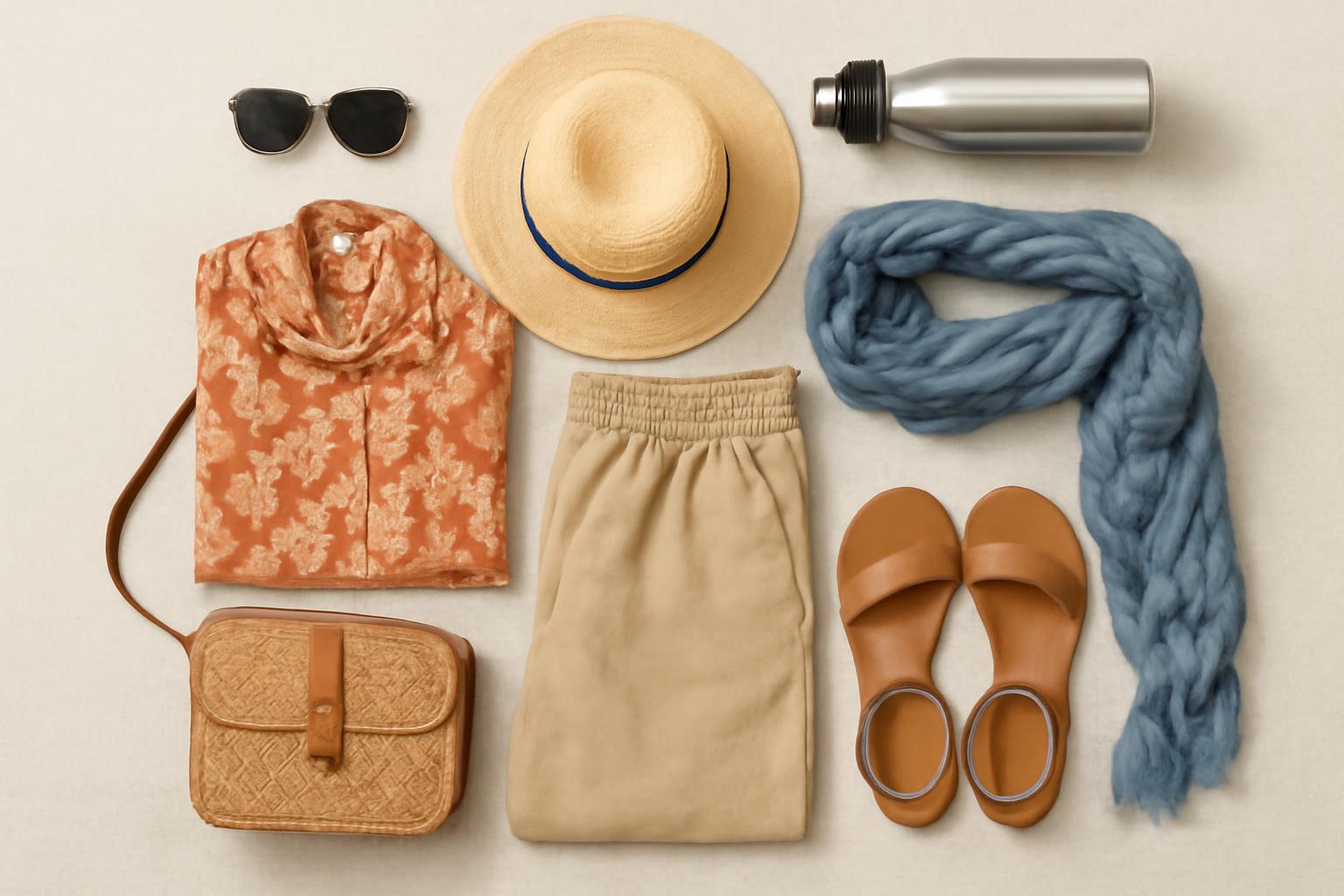
If you’re deciding what to wear in Kuala Lumpur, the real challenge is not whether the city is “dressy.” It is how to stay comfortable through heat, humidity, sudden rain, and cold indoor air-conditioning without packing a separate outfit for every stop.
That matters even more if your trip is built around rail lines, short neighborhood walks, hawker stops, mall breaks, and station-to-station exploring instead of private cars. The most useful KL wardrobe is light, breathable, easy to repeat, and easy to adapt: cool enough for a sweaty outdoor stretch, tidy enough for a nicer dinner, and flexible enough to handle a mosque or temple visit with one quick adjustment.
In other words, what to wear in Kuala Lumpur is mostly a movement problem. Clothes that feel fine in a hotel room can become miserable after ten sticky minutes from a station to a food street. The best packing choices are the ones that keep working as the day shifts between sun, shade, rain, trains, malls, and back outside again.
KL’s Climate Demands Heat-Proof Clothes for Active Trips
Kuala Lumpur sits in a tropical climate that stays warm year-round. Malaysia generally averages about 23°C to 33°C, and Intrepid notes that rain patterns are shaped by the Northeast Monsoon from roughly November to March and the Southwest Monsoon from roughly May to September, while also warning that Kuala Lumpur can get very frequent showers and that timing is unpredictable (Intrepid).
In practice, that means a KL day often behaves less like a neat forecast and more like a sequence of conditions. You may start in dry morning heat, feel sticky by late morning, get caught in a sharp shower after lunch, then spend half an hour in a cold mall or train carriage before heading back outside. If you dress for only one part of that cycle, some other part becomes annoying fast.
That is why breathable, loose clothing tends to outperform stylish-but-fussy outfits for most visitors. A rail-based day is usually made of several medium walks rather than one heroic one: station to café, café to market, market to mall, mall to another train. The distance may not sound dramatic on paper, but humidity compounds effort. Heavy fabric, tight waistbands, and clingy tops usually feel worse by the third stop than they did in the mirror.
This is also one of those cities where light packing genuinely improves the trip. If you are climbing station stairs, weaving through sidewalks, or moving hotels, a smaller bag is not just an airport preference. It makes the day easier. Tortuga notes that many budget airlines in Asia work with a 7 kg carry-on limit, which reinforces the case for a compact wardrobe instead of a bulky “just in case” suitcase (Tortuga).
A useful mental model is simple: pack for a humid walking city first, then add one modesty layer and one rain solution. That covers most Kuala Lumpur situations better than packing as if you were going to a conservative capital, a beach resort, or a cool-weather city break.
Top Fabrics and Base Layers: Linen, Quick-Dry Over Cotton
Fabric matters more in Kuala Lumpur than exact outfit formulas. Intrepid specifically recommends light fabrics such as linen and sportswear for Malaysia’s heat, and warns that cotton can take a long time to dry in humid conditions (Intrepid).
That does not mean all cotton is unusable. A thin, loose cotton tee can still be perfectly fine if you are mostly indoors, moving slowly, or changing clothes later. The problem is not “cotton” in the abstract so much as thick, damp-holding fabric. Heavy cotton jersey, jeans, and dense denim are the items most likely to stay wet with either sweat or rain and then feel heavier every hour afterward.
For most travelers, the safest base is a small rotation of pieces that dry reasonably quickly and do not cling once damp. Good examples include:
- relaxed T-shirts
- loose short-sleeve shirts or blouses
- light linen or linen-blend tops
- quick-dry athletic-style tops that do not look too gym-specific
- breezy shorts
- airy skirts
- culottes
- light trousers with some drape
Fit matters almost as much as fabric. In KL heat, a top that sits slightly away from the skin usually feels cooler than a fitted top made from the same material. Airflow counts. So does how a garment behaves when you sweat through it a little. If a piece becomes transparent, tight, or uncomfortable the second humidity hits, it is not a good travel workhorse here.
Color can help too. Dark colors are not wrong, but if your wardrobe leans heavily black, it is worth making sure the fabric is especially light and breathable.
If you are building a simple KL clothing rotation, think in combinations rather than “looks.” For women, that might mean a loose blouse with culottes, a relaxed tee with a midi skirt, or a flowy dress with enough coverage to work in several settings. For men, it might mean airy tees, lightweight polos, camp-collar shirts, and either relaxed shorts or breathable trousers. The goal is not to impress the city. The goal is to stay comfortable enough that your clothes stop demanding attention.
A good test when packing is this: would you still want to wear this if you got lightly sweaty, briefly rained on, then walked into strong AC? Pieces that pass that test tend to be the right ones for Kuala Lumpur.
Casual Day Outfits for Rail Exploration and Neighborhoods
For everyday urban wandering, Kuala Lumpur is more flexible than many first-time visitors expect. Anecdotally, travelers in a long-running Kuala Lumpur forum describe thigh-length shorts and T-shirts as routine enough in central urban areas and tourist-heavy districts; treat that as traveler observation rather than a formal rulebook, but it is useful context for nervous first-timers (Tripadvisor forum discussion).
The distinction that matters most is usually not “shorts versus no shorts.” It is “casual city wear” versus “very revealing or very beach-coded clothing.” Standard tees, polos, casual blouses, normal shorts, easy dresses, skirts, and light trousers will usually feel unremarkable in central KL. Tiny shorts, bikini-adjacent tops, and gym-only tanks are less versatile once you leave pool, nightlife, or hotel settings.
That is good news for packing, because it means you do not need a highly specialized city wardrobe.
- 2 to 4 breathable tops
- 1 slightly nicer top or collared shirt
- 2 bottoms you can alternate
- 1 dress or one lightweight long-bottom option
- 1 very light layer for AC
- 1 compact rain option
- 1 main pair of walking shoes
This works especially well on rail-heavy days because the same base outfit can be shifted a little depending on what comes next. Shorts and a tee may be ideal for a food-heavy afternoon in Bukit Bintang. Swap to light trousers and add a scarf before an evening temple visit or a nicer dinner, and the outfit becomes more useful without becoming heavier.
Women often do well with: - flowy midi dresses - culottes with short-sleeve tops - knee-length skirts - relaxed linen shorts - breezy jumpsuits with shoulder coverage
Men often do well with: - lightweight polos - relaxed short-sleeve shirts - airy tees - tailored casual shorts - breathable drawstring trousers
If your style leans sleeveless or cropped, those pieces can still have a place. They are just better treated as optional items rather than the whole wardrobe. Kuala Lumpur is easier when most of your clothes can move from train platform to mall to market to temple-adjacent area without requiring a complete rethink.
One more practical distinction: daytime sightseeing outfits and nicer evening outfits can overlap more than many travelers assume. You do not need formalwear for most dinners, but one cleaner, slightly more polished shirt or dress can be useful if your day ends at a hotel bar, rooftop venue, or more upscale restaurant. In KL, versatility beats volume.
Modest Cover-Ups for Mosques, Temples, and Cultural Sites
This is the category that saves the most hassle for the least suitcase space. For religious sites, the safest baseline is to cover shoulders and knees, and some mosques may expect more than that depending on the venue. Islands specifically advises planning modest clothing for sacred places, using shoulder-and-knee coverage as a baseline and noting that some mosques can require stricter coverage (Islands).
The key point is that you do not need to spend your whole trip dressed for a mosque. You just need one fast fix. Usually that means a scarf, pashmina, or sarong in your bag. It can cover bare shoulders, add chest coverage if a neckline feels too open, sit across your lap in freezing AC, or help extend a short outfit just enough for a brief site visit.
For a day that might include Batu Caves, Chinatown temples, or an unplanned stop at a mosque, an easy formula is:
- a sleeved top
- longer skirt, culottes, or lightweight trousers
- a scarf or sarong in your bag
- shoes that are easy to remove
This is one place where loose long sleeves can be less oppressive than they sound. A thin oversized shirt can actually feel better than a tight sleeveless top because it blocks direct sun while still letting air move around the body. The same goes for loose trousers in light fabric: on a humid day, they can feel cooler than you expect.
But if the visit is only a possibility, the practical answer is still the same: bring a packable cover-up and make the rest of your wardrobe work around it.
The deeper rule here is flexibility, not strictness. Most travelers do not need a separate “modest wardrobe” for Kuala Lumpur. They need one or two pieces that can tilt a normal hot-weather outfit toward respectful coverage when the setting changes.
Footwear Essentials for Wet Pavements and Shoe-Off Customs
Shoes pull a lot of weight in Kuala Lumpur. They have to handle wet sidewalks, tiled station entrances, long mall corridors, market lanes, escalators, and repeated short walks in heat. Support matters more than style for most visitors.
Islands recommends comfortable, supportive footwear over fashion-first shoes in hot Southeast Asian cities and points out that slip-on convenience helps for temples or local homes where shoe removal is common (Islands).
- slip-on sneakers with grip
- lightweight trainers that handle damp pavement well
- sporty walking sandals with secure straps
- loafers or casual flats with decent sole traction, if that fits your style
It may be fine for hotel pool time, but it is less convincing once rainwater, curb edges, slick flooring, and station stairs enter the picture. Kuala Lumpur does not usually demand hiking footwear, but it does reward traction and cushioning.
Shoe-off practicality is worth thinking about too. If you enter a temple, someone’s home, or another setting where footwear comes off at the door, easy-on, easy-off shoes save time and awkward balancing.
If your trip is rail-first, comfort across repeated short walks matters more than many travelers realize. KL often feels like a chain of 8-minute and 12-minute walks rather than one huge march. That rhythm is manageable, but only if your shoes keep feeling good after the second, third, and fourth segment.
Open versus covered footwear is partly personal. Sandals are cooler and convenient. Covered shoes often feel more secure on wet pavements and grimier city stretches.
Rain and Sun Gear to Keep Routes Flowing
Rain protection in Kuala Lumpur is less about surviving a cold storm and more about avoiding disruption. Little Grey Box recommends practical hot-weather extras such as an umbrella or raincoat, sunglasses, a hat, sunscreen, and a reusable day bag for Kuala Lumpur packing (Little Grey Box).
- a small umbrella or thin packable rain jacket
- a quick-dry top
- bottoms that will not stay soaked for hours
- shoes with traction
- a bag that tolerates a bit of weather
In fact, something too substantial often becomes its own problem because it feels hot and clammy the moment the rain eases. A light umbrella plus faster-drying clothes is usually the more practical combination for city use.
Sun protection matters just as much. Many KL routes alternate between shaded interiors and exposed outdoor stretches. A few unshaded transfers around midday can drain more energy than travelers expect, especially if you are already carrying a bag and walking after meals. A hat, sunglasses, and sunscreen are not glamorous items, but they preserve comfort and pace.
A reusable water bottle is worth carrying too, and if you know you wilt in heat, a portable fan is a defensible extra rather than overpacking. These items make a noticeable difference on market loops, food-heavy afternoons, and station transfers.
This is really about momentum. Good rain and sun gear helps you keep moving instead of abandoning the plan after one downpour or one overheated stretch. That matters even more if the day includes street food or a respectful Kuala Lumpur food crawl, where getting soaked and cold halfway through can flatten the rest of the route.
Beat Indoor AC Chills in Malls, Trains, and Hotels
A common Kuala Lumpur packing mistake is preparing well for the street and badly for the interiors.
That does not mean packing warm clothes. It means carrying one flexible layer that can live in your bag all day. The best options are usually:
- a thin cardigan
- a light overshirt
- a scarf or pashmina
- a shawl
- a sarong
A scarf or sarong is especially efficient because it solves multiple problems at once. You can wrap it over shoulders on a cold train, use it as a modesty layer before a site visit, drape it over your lap in a cold café, or press it into service if rain starts while you are between stations.
This matters most on rail-heavy days because the outside-inside-outside cycle can feel more uncomfortable than the actual temperature. If you are sweaty when you enter aggressive AC, the chill lands harder. A small face towel can help here. Dry off first, then add the light layer only if you still want it.
For KL itself, keep the layer compact. Bulky knitwear and true cold-weather jackets are dead weight outdoors. One thin layer that works for trains, malls, evening rain, and modesty is far more useful than a sweater you resent carrying.
Minimalist Packing List for Carry-On KL Trips
A lean bag is usually the best bag for Kuala Lumpur. Tortuga notes that many budget airlines in Asia use a 7 kg carry-on limit and explicitly frames Malaysia as a place where minimalist packing works well, especially if you are willing to buy a missing item locally instead of hauling everything from home (Tortuga).
Clothes - 3 to 5 breathable day outfits - 1 modest-ready option with shoulder and knee coverage - 1 very light layer for AC - 1 rain piece - sleepwear - underwear and socks for several days - swimwear and a simple cover-up if your hotel has a pool
Shoes - 1 main walking pair - optional sandals or pool slides
Small essentials - scarf or sarong - hat - sunglasses - sunscreen - reusable water bottle - compact umbrella - secure daypack or crossbody - hair ties or clips if humidity wrecks your hair - any personal toiletries you actually use
Tech and practical items - phone charger - power bank - earphones - passport wallet or organizer - a Type G power adapter for Malaysia’s sockets
One useful reason to pack lighter is that you do not have to solve everything in advance. The same Tortuga guide suggests buying some items locally rather than carrying too much from home, which fits Kuala Lumpur well if you realize you need an extra tee, sandals, or other basics after arrival.
Laundry also helps keep the bag small. One Malaysia-wide packing guide notes that coin laundry and drop-off laundry are common in cities, with prices around $2 to $4 per load or kilogram depending on service type (Pack Lightly).
A few practical notes make the list work even better:
- If you plan pool time, bring proper swimwear plus something easy to throw on in shared hotel areas.
- If you are sensitive to sweat or thigh friction, quick-dry underwear and anti-chafe products can earn their place.
- If you are mosquito-prone, bug spray is a reasonable optional extra.
- If you are the person in the group who ends up carrying everything, choose a day bag that stays comfortable in heat.
The logic behind minimalist packing here is not aesthetic minimalism. It is mobility. Less bulk makes train transfers easier, rainy pivots easier, station stairs easier, and neighborhood changes easier. In Kuala Lumpur, that often matters more than having a bigger range of outfits.
Can I wear shorts and sleeveless tops in Kuala Lumpur?
Usually yes in casual city settings, especially in central, tourist-heavy parts of town. Anecdotal traveler reports from Kuala Lumpur describe normal shorts and T-shirts as common in urban areas, which is reassuring for visitors who worry the whole city requires conservative dress (Tripadvisor forum discussion).
Where they become less useful is at mosques, temples, and other more sensitive settings. If those are on your itinerary, shorts and sleeveless tops are fine as part of the wardrobe, but not the only pieces you bring.
Do women need to cover their hair in KL mosques?
For mosque visits, women should expect hair covering as part of respectful dress. One Malaysia packing guide says headscarves are provided at mosque entry, so bringing your own is often about convenience rather than necessity (Pack Lightly).
For the rest of Kuala Lumpur, this is not a general daily requirement. It is mainly a mosque-visit question, not an all-city dress rule.
What about jeans or heavy clothes in KL’s heat?
They are usually more annoying than useful. Tortuga’s Malaysia packing advice specifically says to avoid jeans and other heavy pieces in favor of lighter, faster-drying clothes that are easier to repeat in hot, humid weather.
If you really love denim, a lighter pair of shorts may still get some use. But for most walking days, linen, airy trousers, or quicker-drying fabrics are easier to live with.
Is rain gear really necessary every day?
You do not need to wear it every day, but carrying a compact option on most days is smart. Little Grey Box includes an umbrella or raincoat among Kuala Lumpur packing basics, which fits the city’s pattern of sudden showers that can interrupt an otherwise normal afternoon (Little Grey Box).
How to handle strong AC in KL malls and trains?
Carry one very light layer rather than packing genuinely warm clothes. Core Classic’s Malaysia clothing guide specifically recommends a light jacket or cover-up in Kuala Lumpur for rain or added coverage, and that same type of thin layer works well for cold trains, malls, and cinemas.
A scarf, shawl, or light overshirt is usually enough. In KL, the best layer is the one you barely notice until you suddenly want it.
Pack breathable basics, one modesty fix, one rain solution, and shoes you trust on wet ground. That combination is what usually answers the real question of what to wear in Kuala Lumpur: not how to look perfect, but how to stay cool, respectful, and mobile across stations, neighborhoods, food stops, and sudden weather without overpacking.
If you can walk comfortably for short stretches, dry out quickly after a shower, and cover up easily when the setting changes, your wardrobe is probably already right for KL.