 KL Observer
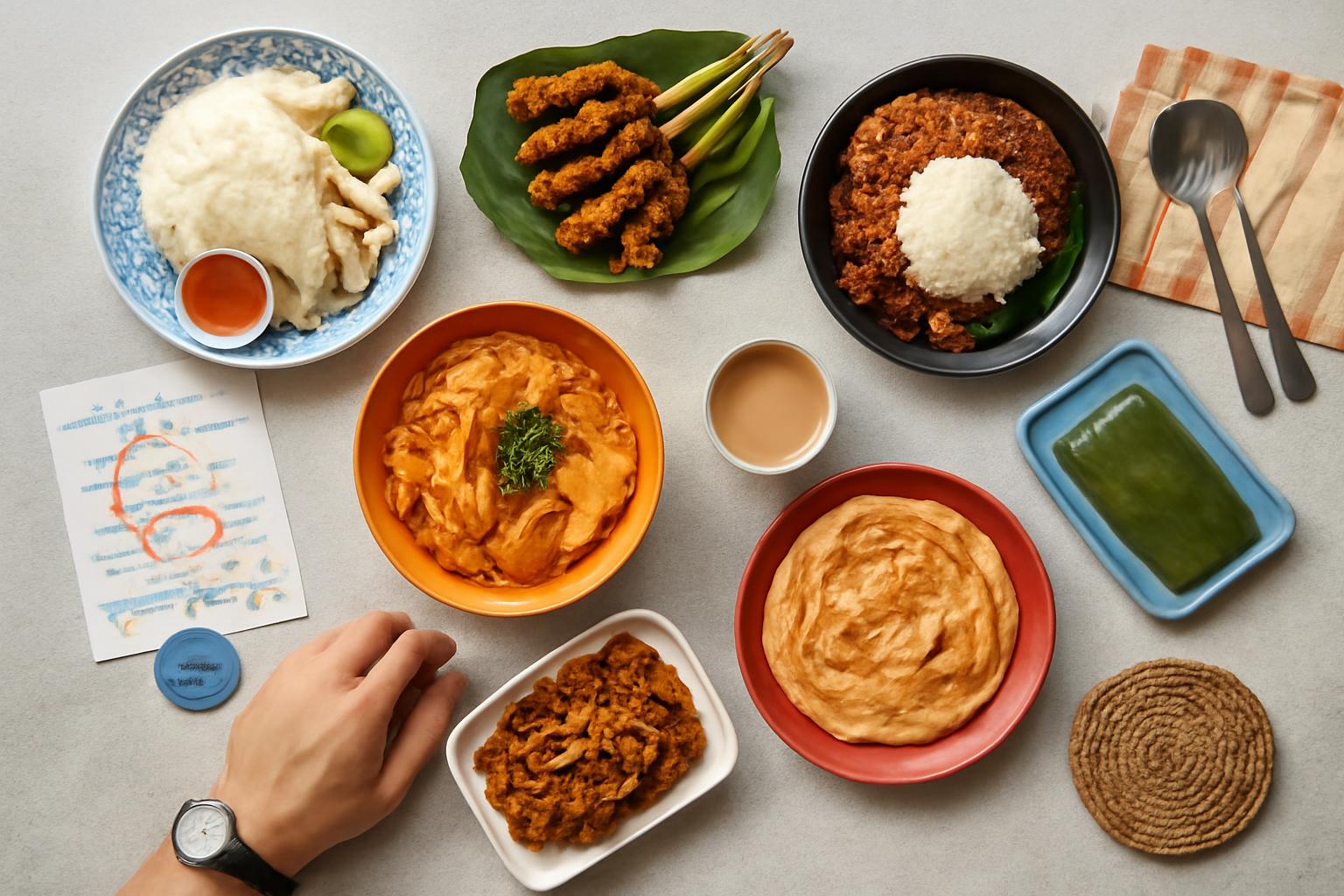
A respectful Kuala Lumpur food crawl starts with a simple idea: you are visiting working food spaces, not collecting content. That means you queue properly, order clearly, keep moving when the stall needs space, and build the crawl around the neighborhood’s rhythm instead of forcing the neighborhood to serve your schedule.
What respectful actually means
Respect in a food crawl is mostly about friction. Do not block the counter while deciding. Do not linger over a table after you are done if other people are waiting. Do not treat a fast-moving stall like a sit-down restaurant. And do not make the staff repeat the same answer because you arrived unprepared.
That does not mean being tense. It means being efficient and easy to serve. Have a simple order in mind, know roughly what you want, and be ready to pay. If you are traveling with a group, decide beforehand who orders what. The smoother you are, the less your presence interrupts the place.
The same idea applies to photography and conversation. A quick photo is one thing; turning the stall into a set is another. If you want the food crawl to feel good, let the place stay a place.
Build the crawl around one neighborhood
Do not try to eat the whole city in one sweep. Pick one neighborhood and let it define the crawl. If you are still deciding where to stay, Bukit Bintang vs KLCC vs Chinatown for where to stay is the right starting point because the base affects how much moving you do between meals.
Once you pick the area, choose a crawl shape. You might do breakfast, one mid-morning snack, lunch, and one evening stop. Or you might do lunch, a dessert stop, and dinner. The number matters less than the rhythm: a crawl should create a few natural pauses, not a race.
Neighborhood choice matters because food in Kuala Lumpur is not separate from the way you move. A crawl that stays inside one walkable zone lets you notice the streets between meals instead of spending the day inside vehicles.
Order simply
A good crawl is easier when you order like a regular customer. Ask direct questions. Choose one or two things instead of turning every stop into a research project. If the menu is unfamiliar, use the staff’s guidance without making them perform a lesson for you.
This matters because speed and clarity keep the queue moving. In busy food spaces, the best courtesy is often brevity. People behind you want the same thing you do: a good meal without unnecessary delay.
If you need to accommodate dietary restrictions, say them early and plainly. Do not negotiate at the counter after everyone has already waited. The earlier the question, the easier it is for everyone.
Pace the day
Food crawls go wrong when people stack too many rich stops too close together. Plan around one or two heavier meals and then use lighter stops, drinks, fruit, or desserts to fill the gaps. That keeps the crawl enjoyable rather than overstuffed.
Pacing matters even more in heat. Eat, sit, walk a little, and cool off before the next stop. If you are pushing through the weather without breaks, the crawl stops being about food and starts being about endurance. That is a bad trade.
Water helps, but so does timing. Early starts are easier than late-morning scrambles, and shorter walks between stops keep your energy available for the food itself. If the day is already long, stop trying to add one more place just because it is nearby.
How to move between stops
The best crawls usually combine one or two short walks with one rail hop or a brief ride. That keeps the crawl compact without turning it into a slog. If the next stop is far enough away that you need to think about transport, the crawl probably wants a different structure.
This is why the rail-and-walk guide matters. A crawl works better when the travel between places is light. See how to explore Kuala Lumpur by rail and walking for the routing side; then use that same pattern to place meals where they belong.
If you are traveling with people who want different food styles, keep one anchor stop and one flexible stop rather than trying to force consensus at every meal. The crawl gets easier when everyone knows which stop is the “must” and which one is the “nice if it fits.”
A simple crawl structure
One useful pattern is:
- Start with one breakfast or lunch anchor.
- Add one nearby snack or drink stop.
- Leave a gap for walking or rest.
- Finish with one final meal or dessert.
That structure gives you variety without overscheduling. It also keeps the crawl respectful because you are not treating every venue like a photo stop. You are using each place for what it does well and moving on.
The other benefit is that it leaves room to notice the neighborhood. You can hear the streets between stops, decide whether to linger, and let the city shape the pace a little.
Keep the crawl human
The point of a food crawl is not to maximize output. It is to eat well, move well, and leave the neighborhood feeling like you were a good guest. If you keep the crawl compact, polite, and heat-aware, you get more of the city and less of the stress.
When you want to turn those meals into a full day, start from your base, then use the rail to connect the stops. The practical goal is always the same: fewer wasted crossings, more time at the table. If you want the rest of the day to fit that pattern, keep Bukit Bintang vs KLCC vs Chinatown for where to stay handy while you plan.