 KL Observer
Overview
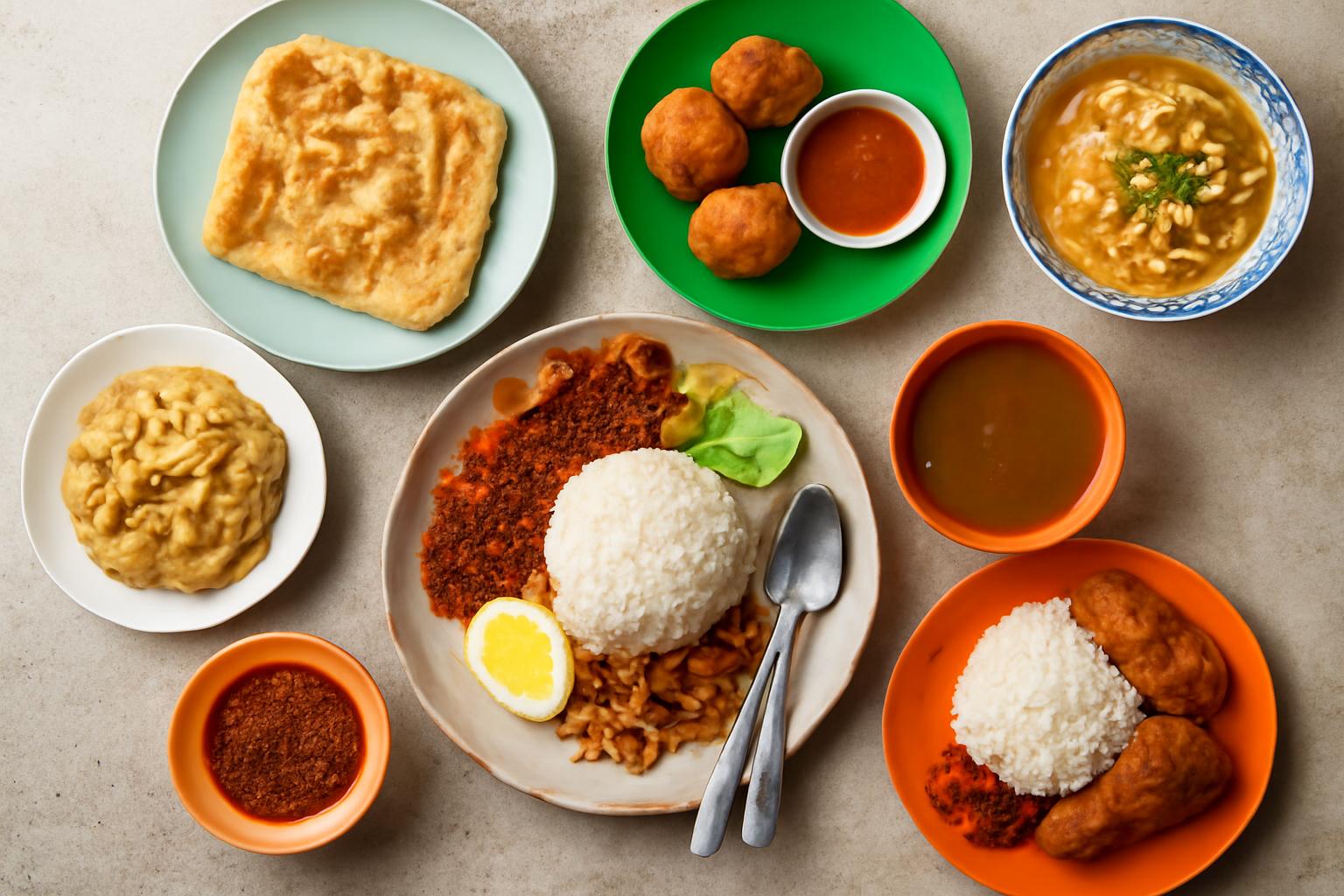
The best breakfast in Kuala Lumpur depends on what you value: the hawker spread at the relocated Imbi Market (now ICC Pudu) for authentic local food at market prices, a Malay warung like TGSK for meals at RM6–12 per person, or Huckleberry in Damansara Heights, which Mog and Dog Travels describes as “a famous institution” with “a reputation for serving the best breakfast in KL.”
Each of those claims comes from a different guide championing a different niche, and none of them reconciles the others. This guide compares them directly, by price, style, location, and timing, so you can pick a venue for each morning of your stay. It also flags what older guides get wrong: Imbi Market moved to ICC Pudu in 2016, one popular warung has changed address since its most-cited review was written, and most published opening hours are stale. What follows is the comparison, then the logistics.
What “Best” Actually Means for Breakfast in KL
No source that ranks KL breakfasts defines its criteria, which is why three different venues all get called the best. In practice, your choice runs along three axes: price, authenticity versus comfort, and atmosphere.
Price is the sharpest divider. The Yahoo review of TGSK frames it plainly: the city’s top-rated breakfast spots “often start at RM20 for even the simplest dish,” while TGSK, which the reviewer calls the highest-rated affordable breakfast spot in the city, runs RM6–12 per person for a full meal. The thanislim Imbi Market guide makes the same contrast from the hawker side, calling the market “a cheap affordable breakfast compared to fancy hipster café style breakfast places where a piece of pastry and coffee can easily cost you RM20.”
That is a real trade-off, not a trick question. The highest-rated venues overall are cafés at café prices; the best-rated cheap options are warungs and market stalls with plastic stools, shared tables, and no air conditioning. Atmosphere follows the same split: kopitiam and market settings offer the working, noisy, morning-market experience, while cafés like Huckleberry offer comfort, coffee programs, and Western menus.
So read “best” as “best for you, this morning.” If you want the local experience at local prices, go hawker or warung. If you want a relaxed brunch with pastry and good coffee, budget RM20 and up per dish and consider booking.
Local Malaysian Breakfast Staples and Where to Eat Them
If it is your first morning in KL, order nasi lemak. The Yahoo TGSK review states it directly: “When visiting a local breakfast spot, it’s a must to try Malaysia’s national breakfast dish — nasi lemak.” It is coconut rice served with sambal and accompaniments, and a warung like TGSK is the natural place to try it, at that RM6–12 per-person range.
Roti canai is the other essential, and it needs a quick correction for visitors. As Mog and Dog Travels explains, “in Malaysia, roti canai isn’t a side dish (as you’d expect from a flatbread) but actually constitutes a main meal.” At Raju’s, a plain roti canai starts at RM1.80, with fancier versions costing a bit more. That single figure tells you how far a small budget goes at the right kind of venue.
Then there is kaya, which Happy Bellies notes “is a staple in Malaysian cuisine and appears on various breakfast dishes.” Kaya is a sweet coconut jam, and the classic way to eat it is spread thick with butter on toast or steamed buns. The thanislim guide names the pairing worth seeking out at the market: “their buns smothered with kaya and butter goes perfectly with their Hainan Tea.” Regional styles of kaya vary in colour and character, so trying it at more than one spot is worthwhile.
A few staples map cleanly to venue types:
- Nasi lemak: Malay warungs like TGSK, RM6–12 for a full plate with drinks
- Roti canai: mamak and Indian spots like Raju’s, from RM1.80
- Kaya toast or buns with Hainan tea: kopitiams and market stalls
- Chee cheong fun (steamed rice noodle rolls): hawker markets; the thanislim guide is emphatic that “if you came to Kuala Lumpur, and you did not try Ah Fook Chee Cheong Fun – you seriously missed out”
The pattern to notice: every one of these dishes is at its best in a working market, warung, or kopitiam, not a café. That is where the next section takes you.
Imbi Market Today: The Hawker Breakfast Pick at ICC Pudu
Imbi Market is still worth a morning, but not at the address most guides list. The market, also known as Pasar Baru Bukit Bintang, relocated in April 2016 to ICC Pudu (Integrated Commercial Complex) on Jalan Kijang, near Pudu Plaza. Time Out KL reported that over 250 vendors from the food and fresh produce sections moved to make way for the Tun Razak Exchange project, with vendors starting operations at the new site on April 26, 2016. Not everyone made the move; Airial’s Imbi Market page notes that “while some pioneer stalls chose not to move, many others transitioned to the new location, bringing their culinary traditions with them.”
Timing matters more here than anywhere else in this guide. Per Airial, the market is primarily a morning spot: many stalls open around 8:00 to 9:00am and close by early afternoon, and the best window is early morning, 8 to 9am, ideally on a weekday for a quieter, more local experience. Come for the kaya buns with Hainan tea, the chee cheong fun, and whatever else catches your eye among the stalls.
On etiquette: this is a working market, not a photo set. Tables are first-come, first-served, and you should expect to share during peak hours, per Airial. Local practice is to secure a seat first, then order, and it is polite to order a drink or dish from the vendor whose tables you are occupying.
Getting there without a car is straightforward. Airial’s directions: from KL Sentral, take the LRT Kelana Jaya Line to Masjid Jamek, transfer to the Ampang Line towards Sri Petaling, alight at Chan Sow Lin, then take a short Grab or taxi ride to ICC Pudu. A direct Grab from KL Sentral is often the simpler option. There is no entrance fee; you pay only for what you eat.
Café and Western-Style Brunch Options
If you want a Western-style brunch, Huckleberry is the name that keeps coming up, and it is the one café in this guide with verifiable current details. Its own locations page lists the Damansara Heights flagship at Plaza Damansara, Jalan Medan Setia 2, open 7.30am daily, with walk-ins welcome and no reservations needed at that outlet. There are also branches at Bangsar Shopping Centre (bakery from 8.00am, dine-in from 9.00am), Intermark Mall on Jalan Tun Razak (8.00am weekdays, 10.00am weekends), and The Gardens Mall in Mid Valley (check current hours on Huckleberry’s locations page). Mog and Dog Travels calls the Damansara Heights original “a famous institution” with “a reputation for serving the best breakfast in KL,” which is as strong a café endorsement as the corpus contains.
The other café cluster worth knowing is Chinatown. Happy Bellies found breakfast spots around Petaling Street that “really stood out,” including one “on the street leading up to Petaling Street, the part where you catch a respite from the crowds before the hustle and bustle of the market street picks up.” That siting detail is useful: the quieter approach streets hold the cafés, while the market street itself is the daytime crush.
Be honest with your budget here. Café dishes in KL commonly start around RM20, per both the Yahoo and thanislim sources, and specific café names, menus, and hours in older guides need a fresh check before you build a morning around them.
What Breakfast Costs in KL: Hawker Stalls to Brunch Cafés
Expect to pay anywhere from under RM2 for a plain roti canai to RM20 and up for a single café dish, which means your venue style decides your budget more than your appetite does. Every figure below comes from the sources cited earlier: Raju’s RM1.80 roti canai and the weekend-reservation café culture from Mog and Dog Travels, the RM6–12 warung range and RM20+ café floor from the Yahoo TGSK review, market pricing and timing from the thanislim Imbi guide and Airial, and Huckleberry’s hours from its locations page.
| Venue style | Typical price | Best for | Timing note |
|---|---|---|---|
| Hawker market (ICC Pudu) | Cheap; well under café prices per the thanislim guide | Local dishes, variety, market atmosphere | Stalls open ~8–9am, close by early afternoon; go early |
| Malay warung (TGSK) | RM6–12 per person | Nasi lemak, cheapest full breakfast | Queue reaches the parking lot by 9am |
| Mamak / Indian (Raju’s) | Roti canai from RM1.80 | Roti canai as a main meal, tight budgets | Weekend queues at popular banana-leaf spots |
| Café brunch (Huckleberry, Chinatown cafés) | From about RM20 per dish | Comfort, coffee, Western menus | Huckleberry DH opens 7.30am daily; popular cafés need weekend bookings |
The practical read: a hawker or warung morning costs roughly what a single coffee-and-pastry order costs at a café. Neither is wrong. Many visitors do both, spending one morning at the market and one at a café, which is exactly the kind of split this table is meant to help you plan.
Choosing by Neighbourhood: Chinatown, Bukit Bintang, Bangsar, and Damansara Heights
Pick your breakfast by where you wake up, not by chasing a name across town. KL mornings get hot fast, and backtracking across the city before 10am is the easiest way to waste a day.
Chinatown. If you are based around Petaling Street, you can walk to breakfast. Happy Bellies found its standout cafés on the streets leading up to Petaling Street, in the quieter stretch before the market crowds build. No transit needed; just go early before the heat.
Bukit Bintang. The old Imbi Market was, in the thanislim guide’s words, “just 12 minutes walk from Pavilion.” The relocated market at ICC Pudu is no longer that walkable, but it is still the closest major hawker breakfast to a Bukit Bintang base: a short Grab ride, or the LRT to Chan Sow Lin plus a quick hop, per Airial’s directions. Treat it as your market morning rather than your everyday option.
Bangsar and Damansara Heights. This is café territory. Huckleberry’s flagship is in Plaza Damansara in Damansara Heights, open from 7.30am daily, with a second outlet at Bangsar Shopping Centre, per its locations page. If you are staying on this side of town, you have the strongest brunch options in the city within a short ride.
A simple structure for a short trip: match each morning’s breakfast to that day’s sightseeing zone, and use the rail network as your spine between them. One market morning near Pudu, one café morning in Bangsar or Damansara Heights, and walkable Chinatown mornings in between covers the full spectrum without fighting traffic.
Beating the Queues: When to Arrive and When to Book
The single most useful habit for KL breakfasts is arriving early; the second is booking cafés on weekends. The evidence on this is specific, not general.
At TGSK, the Yahoo reviewer’s advice is blunt: “come early — by 9am, the queue will stretch to the parking lot outside.” At the market, the thanislim writer reports the payoff of the same tactic: “we came early to avoid the crowd – oh yesh – no need to queue!” On the café side, Mog and Dog Travels warns of one popular brunch spot that “if you don’t reserve a table, you are lucky to get a seat on weekends,” and of a banana-leaf favourite where “the queues are out the door on a weekend.”
Distilled into a plan:
- Hawker markets and warungs: arrive by 8am, or 8.30 at the latest, and skip the queue entirely.
- Popular brunch cafés: reserve ahead for Saturday and Sunday; weekday mornings are far easier.
- If you arrive late anyway, expect real waits at the famous spots and have a backup nearby.
One honest caveat: a queue is not a guarantee. Even well-reviewed venues have off mornings, and dishes at busy spots can involve long waits when the kitchen is slammed. Early arrival protects you from both problems at once, which is why every source in this guide, hawker and café alike, ends up giving the same advice.
Vegetarian, Vegan, and Halal Considerations
Vegetarians and vegans are well served in KL, and you do not need to retreat to hotel buffets. Mog and Dog Travels documents 13 breakfast places in Kuala Lumpur for vegetarians and vegans, ranging from fully vegetarian restaurants to cafés with veganisable menus. The standout pure-veg pick is Ganga Cafe, where, in the guide’s words, “everything on the menu is vegetarian (a lot of it is vegan too), freshly made, wallet friendly and delicious.”
The staples themselves are also friendlier than you might expect. Roti canai is naturally meat-free in its plain form (from RM1.80 at Raju’s), kaya toast is a coconut-jam dish, and thosai and other South Indian breakfasts are vegetarian by default at many spots. At cafés like Huckleberry, Western menus give you egg-based and plant-forward options, though you should confirm vegan substitutions on the day. The one venue type that needs more care is the hawker market, where stalls are independent and labelling is inconsistent; ask before you order rather than assuming.
A Note on Halal Status
None of the guides this article draws on labels halal status, and that gap matters. Some market stalls at ICC Pudu and in the guides’ Chinatown picks serve pork dishes without any signposting in the source coverage, and no venue in this article can be described here as certified halal or Muslim-owned, because no supplied evidence establishes it either way. If halal status is essential for you, verify directly with the venue before visiting: check for JAKIM certification, ask whether the kitchen is Muslim-owned, or confirm via the venue’s own channels. Treat any breakfast list, including this one, as unverified on halal status until you have checked.
Before You Go: Check What’s Still Open and Where It Moved
The biggest weakness in KL breakfast coverage is not taste, it is staleness, so build a five-minute verification habit into the night before. The evidence trail shows why. The most-cited Imbi Market guide dates to August 2015; the market itself moved to ICC Pudu in April 2016, per Time Out KL, and some original stalls never made the move. The Yahoo TGSK review notes the warung was in Bukit Antarabangsa “at the time of writing — now moved,” meaning the warung has moved since that review was written, so its listed address is already stale. Of every venue in this article, only Huckleberry publishes hours you can verify today on its own locations page.
The habit, the evening before each breakfast:
- Confirm the current address on the venue’s own page or a maps listing, not a blog post.
- Check opening hours and rest days; market stalls in particular can close on specific days, per Airial’s ICC Pudu notes.
- For cafés on a weekend, book or message ahead where the venue offers it.
This is not overplanning; it is three checks that protect your best mornings. KL’s breakfast scene rewards the traveler who goes early, eats where the locals eat, and confirms the address first. Do that, and any of the venues here can honestly be your best breakfast in Kuala Lumpur.