 KL Observer
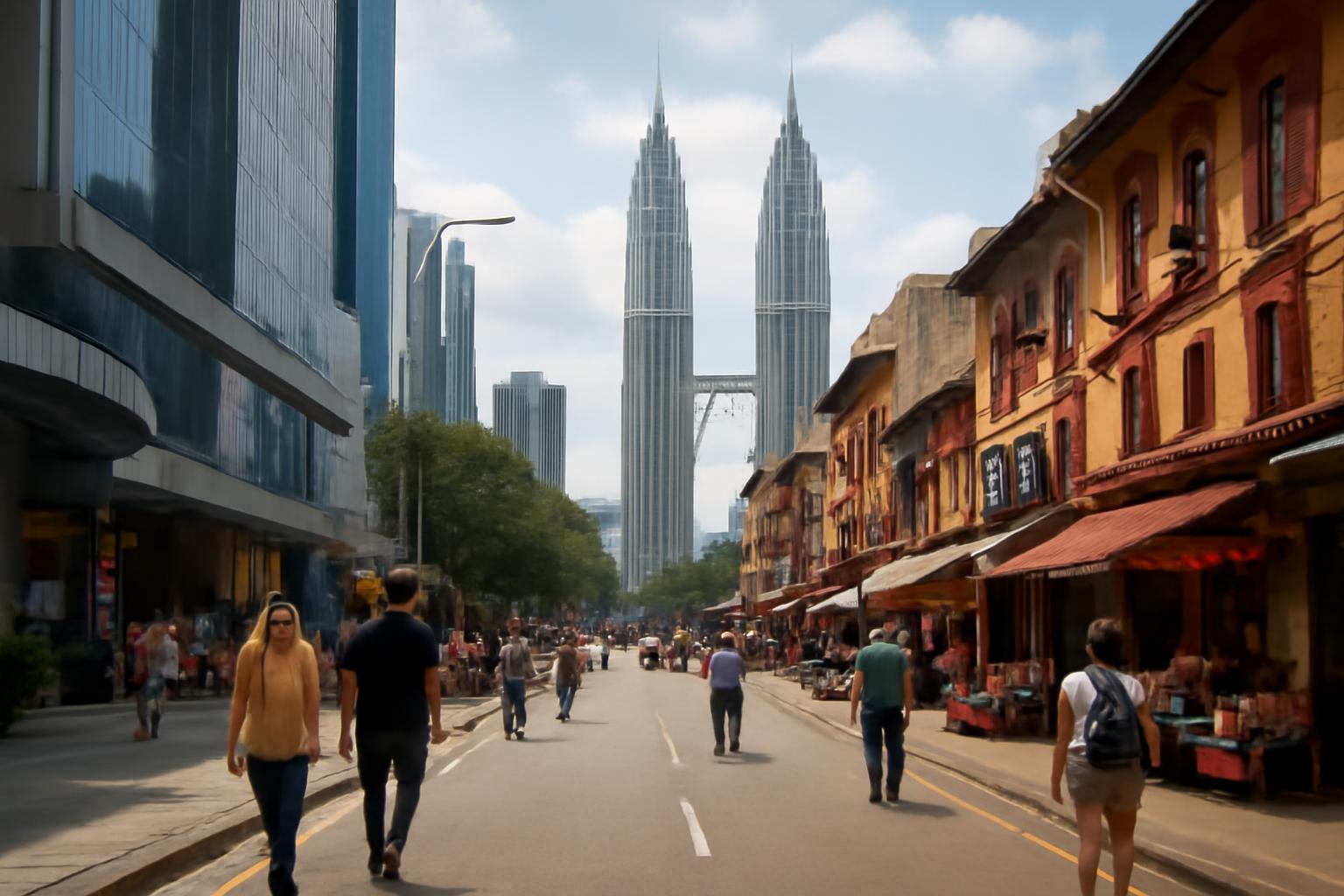
Bukit Bintang is the easiest all-around answer if you want convenience, food, and a straightforward first trip; KLCC works best if you want a polished base with easy landmark-oriented days; Chinatown is the better fit if you want older streets, denser casual food, and a more compact sense of the city. The right choice is less about the “best” neighborhood and more about what you want your day to feel like when you leave the hotel.
The short version
If your instinct is to move a lot, eat often, and stay near the middle of things, Bukit Bintang usually gives you the smoothest rhythm. It is the base for people who want the city to feel immediate. You can step out, grab a meal, make a couple of short transfers, and return without planning a formal route.
KLCC suits travelers who want a cleaner reset point. The area feels more structured, so it works well when you like a base that is easy to explain to yourself: one cluster of landmarks, one easy way to reorient, one predictable return path. If you are building a trip around long indoor breaks and short exterior walks, KLCC makes that easier.
Chinatown is the strongest choice when you want the trip to feel older and more layered. It is the most natural fit for people who care more about street character, market energy, and food-first wandering than about polished skyline views. If your ideal evening is a walk, a meal, and another short walk before bed, Chinatown gives you a tighter loop.
What Bukit Bintang does well
Bukit Bintang is the most forgiving base for a first visit because it reduces decision fatigue. You can leave the hotel, find food quickly, and change direction without feeling like you have committed to a whole district. That matters in Kuala Lumpur because the city can look close on a map and still feel tiring if you are crossing large gaps in heat.
It also works well for mixed-interest trips. If one person wants food, another wants shopping, and another just wants a simple place to land between outings, Bukit Bintang absorbs that mix better than the more specialized options. You do not need a perfect itinerary to make the base function.
The tradeoff is that “easy” can also mean busy. If you prefer quiet streets and a more defined neighborhood identity, Bukit Bintang can feel like too much input. In that case, the convenience is real, but it may not be the mood you want.
What KLCC does well
KLCC is the best answer when you want a calmer-feeling center of gravity. It is useful for travelers who like to orient from one obvious district and then fan out in measured steps. If you want to start inside, cool off, come back, and not think too hard about the return trip, KLCC is dependable.
It is also a good fit if your trip is built around a smaller number of anchor points instead of a wide-ranging roam. You can use KLCC as the “reset” base for museum time, landmark viewing, and a slower pace between meals. That makes it easier to avoid overplanning, because the neighborhood itself gives the day some structure.
Choose KLCC if you value clarity over texture. It is less about wandering every street and more about having a clean center. If your instinct is to keep the trip orderly, this is the base that reinforces that habit.
What Chinatown does well
Chinatown is the base for people who want a more compact, layered, and food-forward trip. It gives you a stronger sense of older street life and more reasons to walk a short radius instead of bouncing around the city. That makes it especially good if your plan is to eat, browse, sit, and repeat.
It also tends to work well for travelers who like a trip to feel less polished and more legible. You can see how the day unfolds without needing to carve every move around a mall or a skyline stop. For some people, that feels more like the city itself.
The main tradeoff is that Chinatown is strongest when you actually want its rhythm. If you want a quieter base or a more neutral place to begin and end the day, it can feel too concentrated. It rewards travelers who are comfortable with bustle and who want food and street energy built into the neighborhood.
How to choose in practice
Ask three questions:
- Do I want the easiest base? Pick Bukit Bintang.
- Do I want a more structured and reset-friendly base? Pick KLCC.
- Do I want the most street-level, food-first base? Pick Chinatown.
If you still feel split, decide by your evening habit. People who like to stay out late and keep options open usually prefer Bukit Bintang. People who want a quieter landing spot with an easy return path usually prefer KLCC. People who want the day to narrow naturally into food and walking usually prefer Chinatown.
Another useful filter is how much you want to walk after dark. Bukit Bintang handles spontaneous movement best. KLCC handles orderly movement best. Chinatown handles short, purposeful walks best.
What not to overthink
Do not choose a base because it sounds most famous. Famous is not the same as useful. For a short stay, the best neighborhood is the one that makes your day easier to repeat.
Also do not chase a perfect compromise among all three. Kuala Lumpur rewards a clear base more than it rewards a clever one. If you divide your day too evenly, you usually spend more time moving and less time enjoying the parts you came for.
If you want to turn the chosen base into a workable day, the next step is to build the route around rail and short walks. That keeps the city from becoming a series of expensive, tiring crossings. See how to explore Kuala Lumpur by rail and walking, then use how to plan a respectful Kuala Lumpur food crawl to turn meals into the route instead of the interruption.