 KL Observer
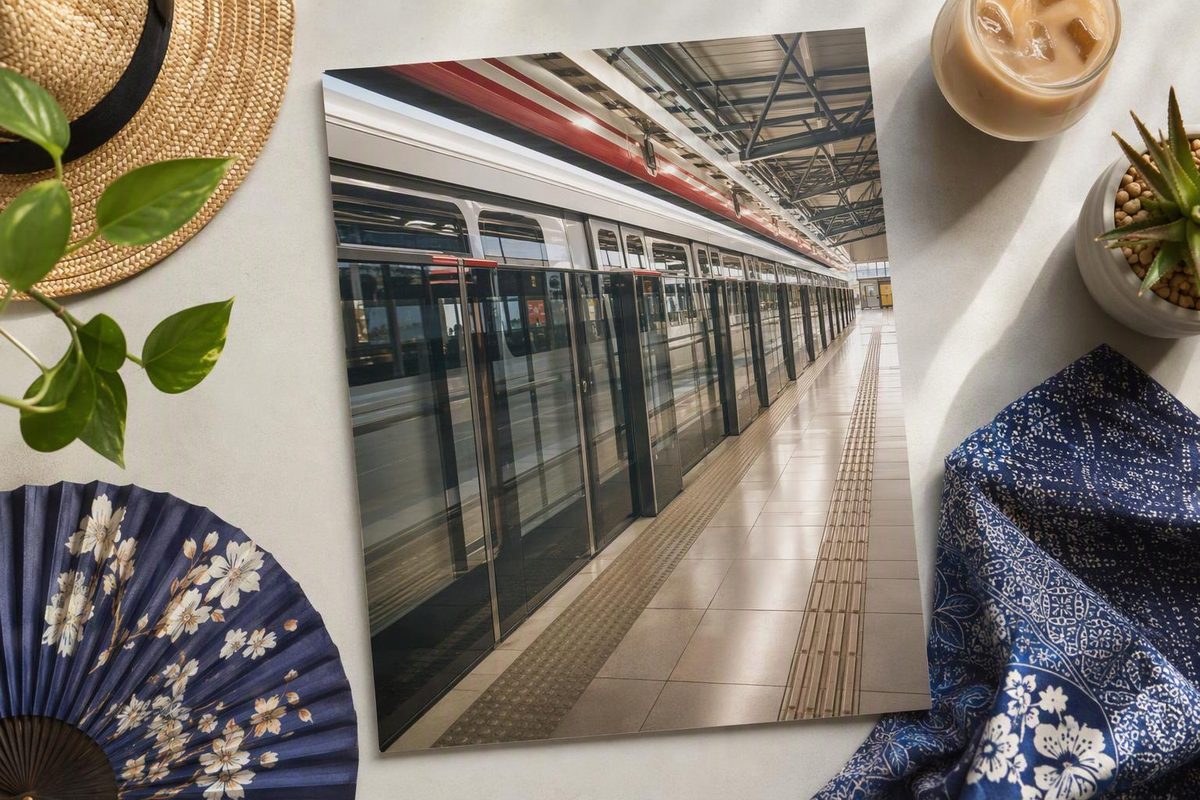
Five underground Kelana Jaya Line stations have confirmed automatic platform screen doors: Masjid Jamek, Dang Wangi, Kampung Baru, KLCC and Ampang Park. Putra Heights is the pilot for a separate platform-safety-barrier rollout, but its reported 85% installation progress on September 26, 2026 does not confirm a completed or fully operational system. The announcement does not provide a station-by-station completion schedule for the remaining Kelana Jaya and Ampang/Sri Petaling stations.
For a journey where platform barriers matter, choose by line and boarding platform, not station name alone. Existing automatic screen doors, partly installed barriers and a future completion target are different levels of evidence. The information below covers the documented Kelana Jaya and Ampang/Sri Petaling programme; it is not a complete inventory of Shah Alam LRT, MRT or Monorail platforms.
Choose your boarding platform to see whether screen doors are confirmed or completion still needs checking.
Five Underground Kelana Jaya Stations Have Screen Doors
| Station | Confirmed Platforms | Existing System |
|---|---|---|
| Masjid Jamek | Kelana Jaya underground | Automatic screen doors |
| Dang Wangi | Kelana Jaya underground | Automatic screen doors |
| Kampung Baru | Kelana Jaya underground | Automatic screen doors |
| KLCC | Kelana Jaya underground | Automatic screen doors |
| Ampang Park | Kelana Jaya underground | Automatic screen doors |
The five locations are named in AZTI’s account of the Prasarana screen-door upgrade agreement. Rapid KL’s September 2026 statement, reported by Media Selangor, confirms that the five underground stations already have automatic screen-door systems and are excluded from the new barrier installation programme.
That exclusion is useful when reading rollout news. It means these stations are not waiting for the new programme to provide their existing underground screen doors. A report about installation beginning elsewhere should not be read as saying that these five currently lack platform barriers.
The confirmation is nevertheless specific to the Kelana Jaya platforms. It does not establish barrier coverage for another line reached through the same station or interchange. If your route involves a transfer, identify the platform where you will actually wait for the next train before treating the station as a confirmed screen-door stop.
Masjid Jamek Requires A Line-Specific Check
At Masjid Jamek, the existing-door confirmation applies to the underground Kelana Jaya Line platforms. It does not establish completion on the Ampang/Sri Petaling side.
For someone arriving on Kelana Jaya and continuing on Ampang/Sri Petaling, the confirmation therefore answers only part of the journey. You can identify the Kelana Jaya platforms as having the existing system, but the cited sources do not give the same assurance for the platform used after the transfer.
When asking staff about barriers at Masjid Jamek, name the line rather than asking whether “the station” has them. Otherwise, a correct answer about one set of platforms may not answer the question relevant to your boarding point.
Dang Wangi, Kampung Baru And KLCC Are Named Individually
Dang Wangi, Kampung Baru and KLCC are each explicitly included in the list of five underground Kelana Jaya stations with automatic screen doors. Their inclusion is documented, rather than inferred from the installation target for the wider line.
For a trip beginning at one of these stations, the relevant confirmation is the existing system on its Kelana Jaya platforms. For a longer journey, that does not tell you the barrier status of your destination or any other boarding platform used along the way. Check those separately if protected waiting areas are a requirement throughout the trip.
Ampang Park’s Confirmation Is For Kelana Jaya
Ampang Park is also on the confirmed list, with the same limitation: the evidence here concerns its underground Kelana Jaya Line platforms. It is not an inventory of every rail platform associated with that station name.
If you are comparing LRT and other rail options, do not carry this confirmation across to a different service. The useful answer is precise: Ampang Park’s Kelana Jaya platforms have the existing automatic screen-door system described in the sources.
Putra Heights Was Reported 85% Installed, Not Complete
Rapid KL reported on September 26, 2026 that installation at Putra Heights had reached 85%, following a start on August 1. The interchange was selected to test and refine the design, installation methods and operational arrangements before extending the project to other stations. The Star’s report documents that pilot status.
The percentage describes installation progress. It does not say that every platform edge is protected, that every boarding position has a working barrier, or that the system is fully operational. The report also does not break that percentage down into a usable platform-by-platform confirmation for passengers.
For route planning, Putra Heights therefore belongs in a different category from the five underground Kelana Jaya stations. The five have documented existing automatic screen-door systems. Putra Heights has documented installation work and a progress figure, but the cited update is not evidence of completed operation.
Do not convert the remaining percentage into a predicted opening date. The source gives no basis for calculating how quickly the final work, testing or operational arrangements would be finished. Equally, the absence of a completion confirmation here does not prove that no further work has happened since the report; it means a newer operational confirmation is needed.
If you are considering a longer journey through Putra Heights specifically for barriers, verify the intended boarding platform first. The pilot announcement alone is not enough reason to add a transfer or extra travel on the assumption that the protected platform you need is ready.
The Mid-2027 Target Covers The First Phase Only
Installation at the remaining Kelana Jaya and Ampang/Sri Petaling stations is staged. The first phase is expected to finish by mid-2027, according to the Rapid KL statement reported by Media Selangor. That is an expected first-phase milestone, not a confirmed completion date for the whole network.
Work is planned around daily maintenance schedules to avoid interrupting train services. This describes the intended approach to carrying out installation; it does not establish the operational status of barriers at any particular station on a particular journey.
The announcement does not give a station-by-station completion schedule. It therefore cannot support a list of which remaining stops will be finished next, a promised date for your local boarding platform, or a claim that every platform will be covered by the first-phase target.
| Reported Information | What It Establishes | What It Does Not Establish |
|---|---|---|
| Five underground stations excluded | Existing screen-door systems | Coverage on other lines |
| Putra Heights at 85% | Installation progress | Full operation |
| Mid-2027 first-phase target | Expected phase milestone | Whole-network completion |
| Maintenance-window working | Planned installation approach | A platform opening date |
When a station is not among the five confirmed underground stops, the responsible answer from these sources is completion not established, rather than a blanket claim that it has no barriers. A rollout can change the situation, but a general programme announcement is not a substitute for a dated confirmation about the exact platform.
Existing Screen Doors And New Safety Barriers Are Not Interchangeable Claims
The sources describe the underground stations as having automatic screen-door systems. The newer programme is described as installing platform safety barriers. The rollout announcement does not specify that every new barrier will use the same automatic screen-door system found underground.
For passengers, there are two separate checks: whether a physical barrier has been installed at the boarding area, and whether the intended system is operational. Seeing installation work, or reading that a station is part of the programme, does not resolve both questions.
This distinction also prevents an overly broad answer to “which LRT stations have platform barriers.” The documented list of five is a clear answer for existing Kelana Jaya automatic screen doors. It is not proof that only five stations across every LRT line have any kind of barrier, nor a complete classification of all barrier designs in use.
If you specifically need an operating automatic system rather than simply evidence of construction, use those words when checking. Ask about the exact line, boarding platform and whether the barriers are in service. A general confirmation that installation is under way leaves the travel decision unresolved.
Check Each Boarding Platform Before Choosing A Transfer
A useful comparison follows the points where you will wait and board. If your route starts at KLCC and includes a transfer at Masjid Jamek, the existing-screen-door confirmation covers the Kelana Jaya platforms named in this guide. It does not settle the status of the Ampang/Sri Petaling platform used after that transfer.
Likewise, ending a journey at a confirmed station does not establish the conditions at the station where you first board. If the reason for checking is to manage waiting with a child or stroller, the origin platform and any transfer boarding platform need their own answers.
Before choosing a route that depends on new barriers, ask Rapid KL for a current confirmation tied to the precise platform. A suitable request is: “Are the platform safety barriers operational on the platform for my line and direction, or is installation still under way?” If the response concerns the station generally, ask whether it covers your intended boarding point.
Confirm with station staff on arrival, especially where your plan relies on newly installed barriers. This is not a claim that the existing systems are unavailable; it is a way to resolve the gap between a dated project update and the platform you will use that day.
Children And Strollers Still Need Boarding Precautions
Screen doors do not replace the boarding precautions in Rapid KL’s rail-service usage guide. Queue behind the marked line, let passengers leave first and mind the train–platform gap.
For strollers, Rapid KL advises using the brakes, pushing the stroller in when boarding, and pulling it backwards when alighting. Those instructions apply to handling the stroller at the train doorway; the existence of a platform barrier does not remove that part of the journey.
If barriers are essential to your family’s plan, the strongest documented choices in this guide are the five named underground Kelana Jaya stations. Treat Putra Heights as requiring a newer operational check, and treat other rollout stations as unconfirmed by the cited announcement. That keeps the decision tied to what the sources actually establish, rather than to a station name, a construction percentage or a future phase target.