 KL Observer
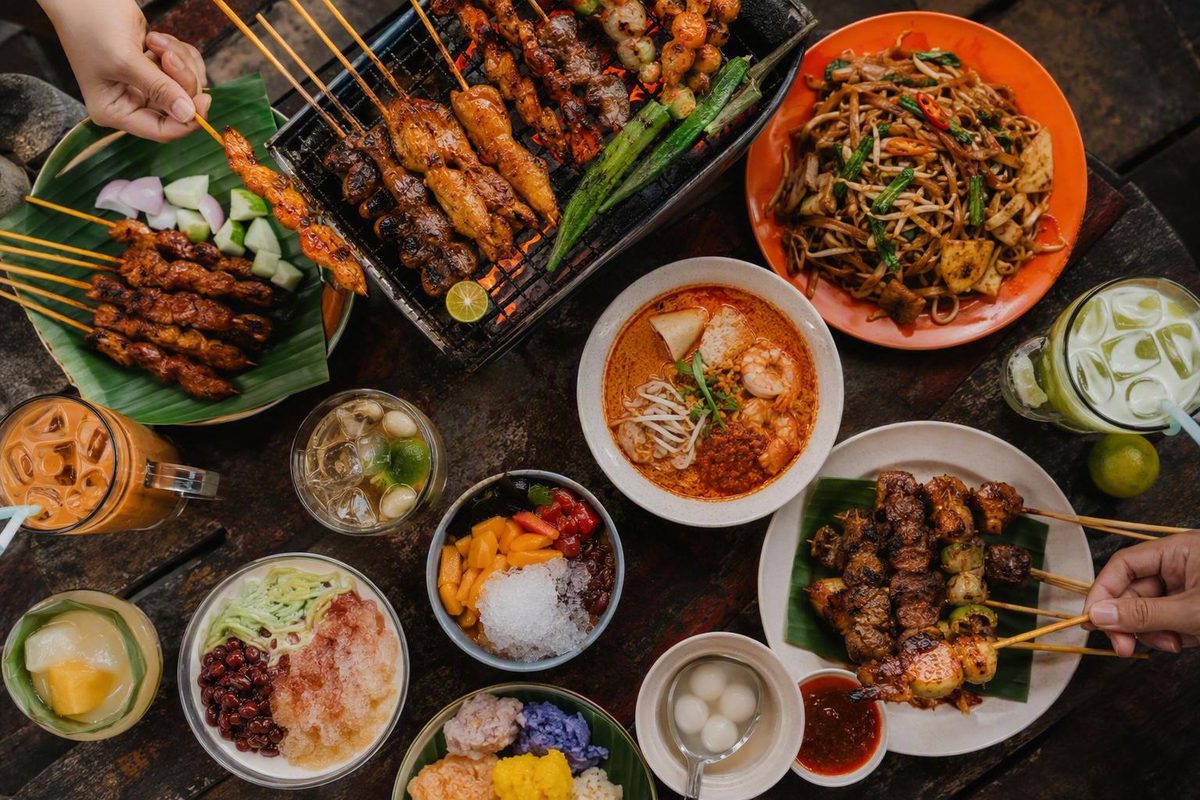
Jalan Alor works best as a compact, high-energy introduction to Kuala Lumpur’s night-food scene—not as a proven shortcut to the city’s cheapest, quietest, or most “authentic” meal.
Its main advantage is convenience. In one evening, you can inspect grills, noodle stations, fruit displays, dessert counters, open-air tables, and full restaurant menus without crossing Kuala Lumpur between courses. The tradeoff is an atmosphere that is conspicuously tourist-oriented, frequently crowded, and sometimes complicated by restaurant touts or vehicle movement.
For a satisfying first visit, arrive at a time that matches your tolerance for crowds, survey the street before ordering, and share small portions across three or four food categories. Treat famous names as useful reference points rather than guaranteed winners, and confirm prices, portions, ingredients, dietary suitability, and payment methods when you order.
Editorial note: This guide synthesizes traveler reports, commercial destination guides, and firsthand walkthroughs. It does not claim that every named business has been recently inspected. Vendor status, menus, prices, operating hours, payment options, and street access can change.
Related: How to Plan a Respectful Kuala Lumpur Food Crawl.
What Jalan Alor is really like—and whether it is worth visiting
Jalan Alor is an evening-oriented food street in Bukit Bintang, Kuala Lumpur’s central shopping and entertainment district. It combines hawker-style vendors, food prepared or displayed along the pavement, open-air tables, and permanent restaurants with more substantial menus and seating.
After dark, expect bright signs, grill smoke, fruit displays, servers carrying menus, closely packed tables, and a steady flow of people deciding where to stop. Across several travel accounts, the recurring description is lively, noisy, crowded, colorful, and heavily visited by tourists. One firsthand account, for example, describes the street as extremely popular and crowded while emphasizing its tourist-oriented character and broad mix of grilled food, fruit, sweets, and drinks (The Street Food Guy).
That tourist focus produces conflicting verdicts. Some visitors enjoy Jalan Alor as an easy night out with abundant choice and visual energy. Others consider it less authentic or more expensive than areas serving a more regular local clientele. Those judgments are not mutually exclusive: a place can be touristy and still deliver an enjoyable evening.
What Jalan Alor does particularly well is reduce logistical friction. Instead of researching a noodle shop in one district, a satay stall elsewhere, and a dessert stop across town, you can compare many possibilities during one walk. This is especially useful for first-time visitors staying in Bukit Bintang, travelers arriving by rail, and groups whose members want different foods.
What the available evidence does not establish is that Jalan Alor is Kuala Lumpur’s best, cheapest, safest, or most authentic food area. Popularity does not prove that every stall offers good value, and a crowded dining room does not settle questions of quality. Think of the street as a concentrated tasting zone and nighttime spectacle rather than a citywide league table.
Daytime is generally quieter. Some permanent restaurants may trade earlier, but the wider choice and familiar night-street atmosphere usually emerge from late afternoon into the evening. Arrive too early and some temporary vendors may still be setting up; arrive at peak dinner time and you gain more energy while giving up space and ease of movement.
A simple decision rule:
- Visit Jalan Alor if you value easy access, concentrated variety, open-air dining, and a lively evening scene.
- Choose another area if your only priority is a quiet meal, minimal sales approaches, or a demonstrably less tourist-oriented experience.
- Treat Jalan Alor as an introduction, not a final verdict on KL food. Kuala Lumpur’s food culture extends far beyond this single street.
What to eat: build a tasting list by food category
A useful Jalan Alor tasting list is organized by category rather than by a rigid ranking. Menus and temporary stalls change, and no single dish is universally essential. Choose three or four categories according to your appetite, budget, and dietary requirements.
Grilled food
Chicken wings and satay recur especially often in travel reports. Both suit a crawl because they can usually be divided among two or more people without exhausting everyone’s appetite at the first stop.
Other reported grilled options include lamb or other meat skewers, squid, prawns, fish, and shellfish. Availability and portion sizes vary. Some food is sold by piece or skewer, while larger seafood may be sold as a restaurant plate or by weight.
A sensible first grilled order could be:
- A few chicken wings to share
- A modest satay order
- One meat skewer per person
- A small portion of squid
- One carefully priced seafood dish for a group
Do not order wings, satay, squid, and a full seafood platter simultaneously unless you have a large group. Individual plates can look modest on a menu but quickly accumulate into a heavy meal.
Noodles, seafood, and substantial restaurant dishes
Frequently reported noodle choices include char kway teow—also written as fried kuey teow—and other stir-fried noodle plates.
These dishes work well in the middle of a crawl. One noodle plate shared by two people provides more substance than a succession of skewers but need not end the evening. If you would rather have a full sit-down dinner, compare several menus and choose according to the dish you actually want.
Seafood deserves additional attention at the ordering stage. Before ordering, establish whether the displayed figure applies to one item, one plate, or a particular weight, and ask whether cooking, rice, or other additions are included.
Small bites for grazing
Small bites make it easier to sample widely. Commonly reported possibilities include:
- Dim sum
- Steamed or fried dumplings
- Lok lok skewers
- Takoyaki
- Tofu
- Other fried or steamed snacks
These categories can be especially useful for solo visitors because some items are sold individually. They also make a practical first stop while you continue assessing where to order a larger dish.
Do not assume that something seen in an older article or video will be present during your visit. Temporary vendors change, dishes sell out, and restaurant menus evolve. Let the crawl adapt to what is visibly being prepared and what the seller can explain clearly.
Fruit and dessert
Jalan Alor’s fruit and dessert options can provide a useful contrast after salty or smoky grilled dishes. Reported possibilities include:
- Fresh or fried durian
- Seasonal cut fruit
- Mango sticky rice
- Coconut ice cream
- Apam balik
- Putu piring
- Cendol
- Ais kacang
Durian is the most conspicuous option, but it need not be part of every visit. If you are curious, ask about the variety, minimum portion, and total price before committing. A modest shared portion is usually more practical for a crawl than treating durian as an endurance challenge.
Mango sticky rice and coconut ice cream offer an easy finish, while cendol and ais kacang add colder, more substantial alternatives. Do not expect every dessert to appear nightly: seasonal fruit changes, and individual sellers may come and go.
Drinks
Reported nonalcoholic options include sugarcane juice, coconut water, fruit juice, smoothies, tea, milk tea, and soft drinks. A fresh drink can fit naturally between a salty grilled course and dessert, although a large sweet beverage may reduce how much more you want to eat.
Beer and other alcohol have also been reported at some businesses, particularly sit-down venues. Availability varies, but its presence is one reason Jalan Alor cannot be characterized as uniformly halal.
A flexible first-timer’s tasting formula
Instead of attempting every widely mentioned dish, choose:
- One grilled item: wings, satay, lamb, squid, or another skewer
- One substantial shared dish: noodles, cooked chicken, vegetables, or seafood
- One drink: sugarcane juice, coconut water, tea, or fruit juice
- One dessert or fruit: coconut ice cream, mango sticky rice, cendol, ais kacang, durian, or seasonal fruit
This is a framework, not a checklist. A vegetarian visitor might substitute dumplings, vegetables, tofu, and dessert after confirming ingredients. A seafood-focused group might skip the skewers and devote more appetite and budget to one larger plate.
Popular names without the hype: Wong Ah Wah, Meng Kee, and nearby recommendations
Named recommendations are useful only when treated as leads. Repetition establishes visibility and traveler recognition; it does not prove current quality, value, opening hours, or operating status.
Wong Ah Wah is the name most consistently associated with grilled or roast chicken wings on Jalan Alor. Independent travel writing and traveler reviews repeatedly mention its wings, sometimes alongside satay and a wider cooked-food menu. That establishes a reputation—not that it serves the objectively best wings in Kuala Lumpur. An older roundup provides a clear example of the enthusiasm surrounding Wong Ah Wah while also illustrating why such recommendations should be read as personal judgment rather than a controlled comparison (The Determined Traveller).
If you are interested in eating there, inspect the current menu, portion requirements, seating arrangement, and displayed prices before ordering. Do not organize the evening around operating hours reproduced from an old article. A schedule published in 2019, for example, cannot establish current hours.
Meng Kee is another repeatedly mentioned Jalan Alor name. Reports associate it with grilled fish, seafood, dry chilli chicken, tofu, and other cooked dishes, although descriptions of its specialties vary. Sai Woo also appears in individual guides in connection with noodles, mussels, seafood, and broader cooked menus. These are candidates for inspection, not independently ranked winners; a commercial guide’s named recommendations should still be checked against the current street (Traveloka).
Location matters as much as reputation. Some articles described as Jalan Alor roundups extend into the surrounding Bukit Bintang area. Examples include:
- Ngau Kee, described in one older roundup as a beef-noodle shop on Tengkat Tong Shin rather than Jalan Alor
- An unnamed ham chin peng stall placed opposite KFC on Changkat Bukit Bintang
- Other nearby bars, restaurants, and daytime stalls that require a separate walk
This does not necessarily make an area guide misleading, but it matters when your goal is a compact route with little unnecessary walking.
Use named recommendations this way:
- Walk the food area before committing.
- Check whether the business is actually on Jalan Alor.
- Compare current menus and displayed prices.
- Look at portion sizes and identify which tables belong to which restaurant.
- Choose according to what you want to eat, not how often a name appears online.
- Keep a backup in case a named business is closed, full, or no longer appealing.
Famous names can anchor your research. They should not override what you can see and verify that evening.
When to go, how long to stay, and what changes through the evening
There is no single opening time for Jalan Alor as a whole. Temporary vendors are commonly reported to begin setting up or becoming active at around 5 p.m., while some permanent restaurants operate earlier. Approximately 5:30–7 p.m. is the better window for easier browsing and somewhat lighter crowds; approximately 7–10 p.m. offers the fuller nighttime atmosphere. Weeknights and pre-sunset arrivals are often described as calmer than weekend peak periods, although weather, holidays, events, and individual vendor decisions can alter the pattern (Malaysia Uncovered).
For most first-time visitors, allow one to two hours to survey the street, make several food stops, and eat without rushing. Add time for a full seafood meal, detailed ingredient discussions, or long queues; Tripadvisor also suggests a typical visit duration of one to two hours (Tripadvisor).
The progression through the evening is roughly:
- Early evening: easier movement and menu comparison, with the possibility that some vendors are still preparing
- Main dinner period: more lights, cooking activity, diners, noise, queues, and congestion
- Late evening: potentially easier movement in places, but less predictable vendor selection and closing times
Avoid relying on a universal closing time. Different stalls and restaurants keep different schedules, and older reports range from around midnight to much later. Weather, demand, day of the week, and business decisions all matter. A late schedule attributed to one restaurant does not tell you whether a particular temporary vendor will still be serving.
The most reliable approach is to choose an arrival window rather than build the evening around one old opening-hours listing.
Two low-backtracking food-crawl plans
These plans use one survey pass followed by one ordering pass. Enter from whichever end is closest to your arrival point, walk through the main food area without buying, and mark two or three candidates on your phone. At the far end, turn around once and make your stops on the return pass. That is not a zero-backtracking route, but it avoids repeated trips between individual vendors.
The suggested templates—an early crawl from approximately 5:30–7:30 p.m. and a peak-atmosphere crawl from approximately 7–9 p.m.—fit within the broader visitor windows reported after an October 2023 visit (CK Travels).
Early-evening route: roughly 5:30–7:30 p.m.
This route prioritizes easier movement and controlled portions.
Survey pass
Walk from your entry point to the other end of the main food area. Note one small-bite vendor, one noodle or cooked-dish option, and one dessert seller. Check portion sizes, displayed prices, seating, and payment methods as you go.
Stop 1: One small savory bite
On the return pass, begin with a modest satay order, an individual skewer, or a few pieces of dim sum or dumplings. Solo visitors should favor items sold by piece. Couples can split a small order rather than buying several varieties immediately.
Stop 2: One shared noodle or cooked dish
Choose one noodle plate, stir-fried dish, or vegetable-and-protein plate. Confirm whether the serving is designed for one person or sharing. State any dietary restrictions before the order reaches the kitchen.
Pause before dessert
Walk briefly and reassess your appetite. If the shared plate was larger than expected, do not force another full course merely because it was in the plan.
Stop 3: Fruit or a cold dessert
Finish with seasonal fruit, coconut ice cream, mango sticky rice, cendol, ais kacang, or another available dessert. If you are already full, substitute coconut water, tea, or a small fruit portion.
An optional takeaway drink can become a fourth paid stop, but three are enough. This structure works particularly well for solo travelers because it does not require a large seafood or restaurant order.
Peak-atmosphere route: roughly 7–9 p.m.
This route prioritizes lights, smoke, crowds, and the fuller evening scene.
Survey pass
Walk through once without accepting the first menu offered. Identify one grill, one restaurant dish, and one dessert fallback. Notice where queues, tables, and vehicle movement create bottlenecks.
Stop 1: One grilled specialty
Choose chicken wings, satay, lamb, squid, or another grilled item. Resist ordering several meats simply because each is sold separately; they still accumulate into a substantial first course.
Stop 2: One restaurant dish or seafood plate
Share noodles or another cooked dish. A group may instead choose a seafood plate after confirming the pricing basis, portion, preparation, rice, and expected final total.
Pause before the final stops
Step away from the ordering area, finish what you already have, and decide whether you still want both a drink and dessert. Peak-time displays and aromas make it easy to order faster than you can eat.
Stop 3: Drink
Choose sugarcane juice, coconut water, tea, a smoothie, or another available beverage. If the meal was rich, consider a smaller or less sweet drink.
Stop 4: Dessert or fruit
End with one dessert shared between two people or a modest fruit portion. If buying durian, establish the minimum quantity and price first; it may work better as the final event than as an impulsive add-on.
Keep either route to three or four paid stops. Solo visitors should prioritize pieces, skewers, cups, and small plates; couples and groups can divide larger noodle or seafood dishes.
For a broader neighborhood-based approach, KL Observer’s guide to planning a respectful Kuala Lumpur food crawl discusses pacing, queues, and keeping a crawl within one area. It does not verify Jalan Alor vendors or operating details.
Getting to Jalan Alor by rail and on foot
Jalan Alor is in Bukit Bintang, making it straightforward to combine with the district’s shopping centers, hotels, and other evening activities.
The repeatedly cited rail access points are:
- Bukit Bintang MRT station
- Bukit Bintang Monorail station
Multiple guides place Jalan Alor approximately five minutes on foot from these stations. Treat that as an orientation estimate, not a guaranteed journey time: the exit used, walking pace, crossings, rain, and crowd conditions all affect the walk (Malaysia Taste).
Nearby orientation landmarks include Lot 10, Fahrenheit 88, and Pavilion Kuala Lumpur. If you are already in the main Bukit Bintang shopping area, signs and a map app should make the street relatively easy to locate. Large malls have multiple entrances, however, so not every starting point produces the same route.
Grab or a taxi is an option, particularly in heavy rain or when traveling with luggage. The drawback is uncertainty from central-city traffic and the possibility that a driver cannot stop exactly where expected when the area is congested.
Do not plan around an old fare, an uncertain last-train claim, or a station exit copied from an undated guide. Check the outward and return journeys using current transport information on the day.
Lot 10 Hutong is nearby and can serve as an indoor alternative, a lunch stop, or a separate meal. It does not need to be added to the same crawl. Combining two concentrated food venues in one sitting often creates more overordering and backtracking than useful variety.
The most efficient itinerary pairs Jalan Alor with other Bukit Bintang activities. Shop or explore nearby, take a break, and begin the crawl in the evening rather than crossing the city between individual snacks.
Budget, payment, menus, and ordering without surprises
The available evidence does not support a reliable current per-person budget. Spending depends heavily on whether you buy a few skewers and share noodles or sit down for seafood. Older prices cannot establish what you will pay now.
As dated historical context only, CK Travels reported that during an October 2023 visit, 10 satay skewers cost MYR16, six takoyaki cost MYR10, dim sum cost MYR2 per piece, a coconut cost MYR6, and mango sticky rice cost MYR14. These figures are not current quotations or a recommended present-day budget (CK Travels).
Seafood can create a substantially different spending profile from snacks or noodles. Some dishes may be priced by item, portion, or weight, and restaurant bills may include rice or other additions beyond the headline dish price. Ask for the expected total before the kitchen begins preparing the order (Traveloka).
For seafood in particular, confirm:
- Whether the displayed price is per plate, item, or unit of weight
- The estimated total for the piece selected
- Whether preparation is included
- Whether rice is included
- Whether service or other additions apply
- How many people the portion is intended to serve
Payment acceptance varies. Small vendors may prefer cash, while some restaurants may accept cards or e-wallets. Carrying small cash notes is prudent because electronic payment is not universal, but do not assume every business is cash-only. Confirm the accepted method before ordering if your options are limited (Malaysia Taste).
Menus may use English, Chinese text, food photographs, or a combination. Translation availability and clarity differ by business. Pictures can identify a broad dish category, but they do not answer questions about pork, lard, stock, sauces, alcohol, allergens, serving size, or final price.
Use this ordering process:
- Inspect the menu and price display.
- Clarify the portion and expected final price.
- State dietary restrictions before ordering.
- Ask about weight, rice, cooking, service, and additions where relevant.
- Confirm which tables belong to the vendor or restaurant.
- Ask which payment method is accepted.
- Repeat the order if noise or language differences make it unclear.
Decline politely if the explanation remains vague. Jalan Alor’s concentrated choice means another option is usually nearby.
Dietary checks, traffic, rain, crowds, and other practical cautions
Jalan Alor cannot accurately be described as uniformly halal or pork-free. Pork and beer have both been observed for sale, and individual businesses follow different ingredient and preparation practices. Muslim diners should verify each venue directly rather than relying on a dish’s appearance or a broad cuisine label. Ask about halal certification, pork, lard, cooking wine or other alcohol, stock, utensils, grills, and shared preparation areas (The Street Food Guy).
Vegetarian dishes have been reported, but that does not establish vegan preparation or suitability for every vegetarian diner. A vegetable noodle dish may still require questions about egg, oyster sauce, fish sauce, meat stock, or lard. Recent traveler reviews mention vegetarian choice, but the available reports do not provide a verified list of vegan or allergy-controlled kitchens (Tripadvisor).
No source reviewed for this guide verifies particular Jalan Alor vendors as safe for severe shellfish, peanut, gluten, egg, soy, sesame, or other allergies. That is an evidence gap, not proof that accommodation is impossible. Travelers with serious allergies should explain the restriction precisely and avoid ordering when staff cannot answer clearly about ingredients or preparation.
Do not assume the entire street is pedestrian-only. Older accounts describe cars moving among diners, while a walkthrough uploaded in 2025 reported partial evening pedestrianization but still showed vehicle access in other sections. The cautious conclusion is that restrictions can vary by section and time, so pedestrians should remain alert for cars and motorcycles (Yellow Productions).
Crowds create ordinary movement challenges even without vehicles. Tables can narrow the available walking space, queues form around popular counters, and people frequently stop to inspect menus or take photographs. Move to the side before checking your phone, keep children close, and avoid standing directly in front of an active counter while deciding.
Restaurant staff may approach passersby with menus, and some accounts describe persistent touting. A firm, polite “no, thank you” is enough. Active sales behavior is not by itself evidence of a scam or poor food, just as a quiet entrance does not prove quality.
Keep your phone, wallet, and bag controlled in dense crowds. This is general crowd-management advice rather than a claim about Jalan Alor’s crime rate. A closed bag kept in view is more practical than leaving valuables over a chair or behind you.
Rain can reduce outdoor seating and change how many temporary vendors are operating. Not every part of the street is sheltered, so carry an umbrella if rain is possible. If the open-air plan becomes uncomfortable, Lot 10 Hutong is a commonly suggested indoor fallback rather than a direct reproduction of the Jalan Alor experience (Malaysia Uncovered).
Accessibility information is incomplete. The reviewed material does not establish a dependable step-free route, consistent stroller access, accessible toilets, or reliably sheltered seating. Travelers who need specific facilities should verify them before visiting and retain an indoor alternative.
Finally, a busy stall may suggest rapid turnover, but crowd size does not certify hygiene or food safety. Observe what you reasonably can, such as whether food is cooked to order and served hot, but do not treat popularity as a guarantee.
Frequently asked questions
Is Jalan Alor worth visiting if it is touristy?
Yes, if you want a convenient and lively introduction to many food categories in one compact Bukit Bintang location. Its tourist focus does not erase its variety or atmosphere, but it does make menu and price comparison important. Choose another area if your sole priority is quiet dining or a less visitor-oriented setting.
What time does Jalan Alor food street become lively?
Activity commonly builds from around 5 p.m. as temporary vendors set up. Approximately 5:30–7 p.m. suits easier browsing, while 7–10 p.m. generally provides the fuller nighttime atmosphere. Weather, holidays, day of the week, and individual schedules can change that pattern (Klook).
Is Jalan Alor halal?
Not uniformly. Pork and alcohol are available, and ingredients and preparation practices vary by business. Verify halal certification and ask each vendor about pork, lard, alcohol, stock, sauces, utensils, and shared cooking areas before ordering.
Is Jalan Alor pedestrian-only at night?
Do not assume so. Reports indicate that restrictions can vary by section and time, with vehicles still observed in parts of the food area. Stay alert for cars and motorcycles even where pedestrians dominate.
Should I carry cash for Jalan Alor?
Yes. Small cash notes are useful because card and e-wallet acceptance is not universal. Some restaurants may accept electronic payments, but confirm the method before ordering.
A simple plan for your first visit
Arrive through Bukit Bintang in early evening for easier movement or later for maximum atmosphere. Walk the main food area once, mark two or three appealing options, and make your purchases on a single return pass. Choose three or four shared stops across grilled food, noodles or seafood, a drink, and dessert.
Confirm the price, portion, ingredients, dietary suitability, and payment method each time you order. Check named vendors and operating hours rather than relying on an old recommendation, and stay flexible if rain, crowds, traffic restrictions, or closures change the plan.
Jalan Alor’s strength is concentrated variety and nighttime energy. It is not proof of Kuala Lumpur’s cheapest, safest, or most authentic meal. Let the street you encounter—not an inflexible online checklist—shape the evening.