 KL Observer
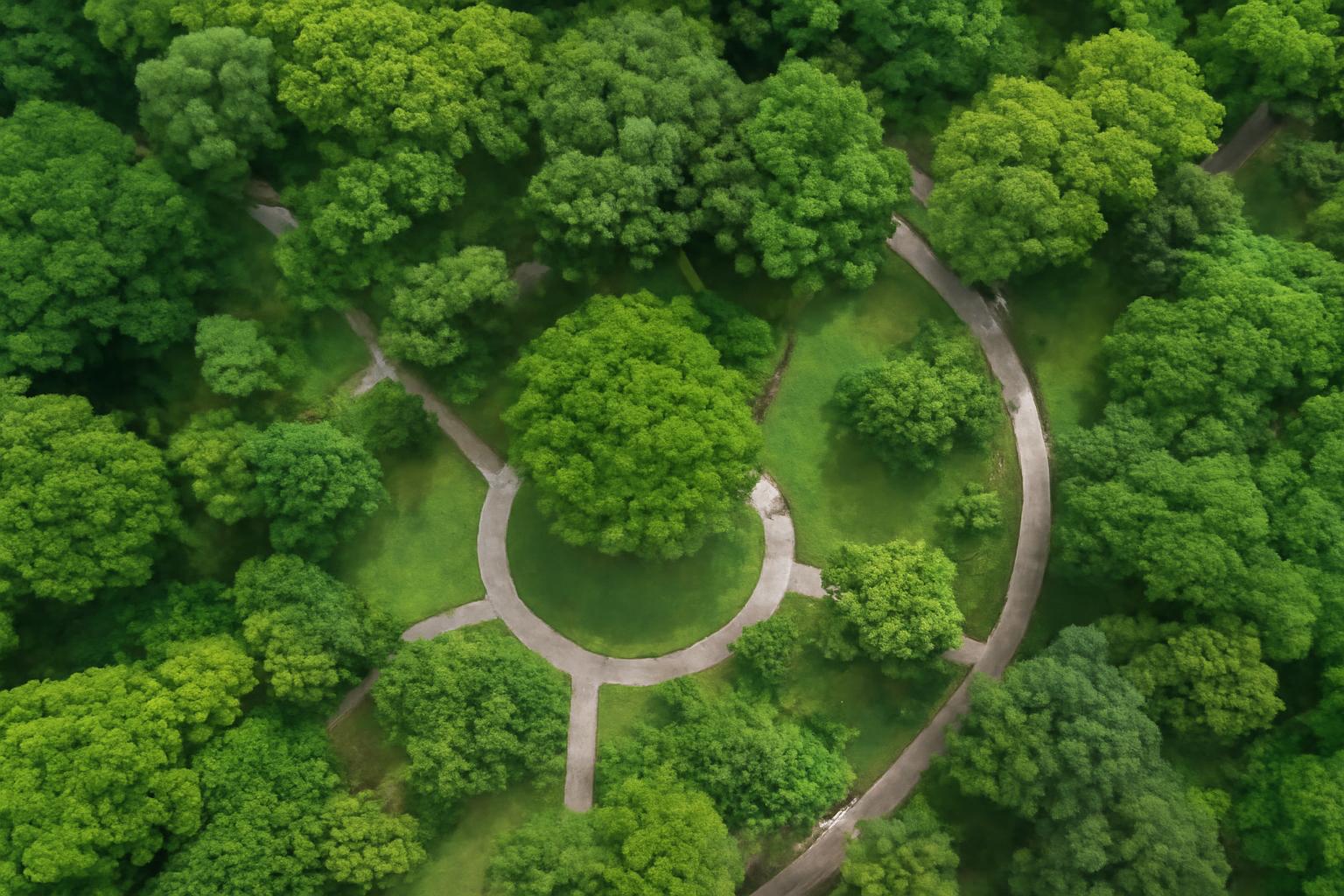
If you are planning Kuala Lumpur around trains, short walks, and a realistic tolerance for humidity, shaded parks are not filler. They are one of the easiest ways to keep a day usable.
Across visitor guides, family park roundups, and walking writeups, the same group of parks keeps resurfacing: KLCC Park, Perdana Botanical Gardens, Taman Tugu, KL Forest Eco Park, Titiwangsa, Taman Tasik Permaisuri, Bukit Jalil, and Bukit Kiara. They are not interchangeable, and that is exactly why they matter. Some give you bench-and-path shade in the middle of the city. Some give you botanical-garden shade with gentler walking. Some give you lakeside tree cover. Some give you actual forest canopy.
For travelers, that distinction is more useful than any generic “top parks” list. A park with partial tree cover and paved loops may be better for a lunch reset near a rail line. A darker, cooler forest park may feel more dramatic, but it can also bring stairs, slopes, wildlife, and less forgiving ground. The practical question is not just “Which park is green?” It is “Which kind of shade fits the next two hours of my day?”
That matters even more in Kuala Lumpur because heat is not a side note. It affects how far a station-to-station day should stretch, how much exposed walking feels tolerable, and whether a park works as recovery or turns into more effort than it is worth. The best shaded parks in Kuala Lumpur are useful not only because they are pleasant, but because they let you keep the rest of the day intact.
A few reported basics help set expectations. Third-party roundups commonly list most of these public parks as free and open from early morning into the evening, including reported timings such as KLCC and Titiwangsa at 6am-10pm, Taman Tugu at 7am-6.30pm, Permaisuri at 7am-10pm, and Bukit Jalil at 6.30am-10pm in one roundup (SOCAR’s KL parks roundup).
Other visitor guides show why you should treat those details as planning help rather than fixed promises: Yahoo Life Singapore lists Perdana Botanical Gardens at 91.6 hectares with reported hours of 5.30am-10pm from Sunday to Thursday and 5.30am-12am on Friday and Saturday, while the same roundup lists Permaisuri Lake Gardens at 49.4 hectares with daily hours of 6am-8pm (Yahoo Life Singapore’s KL parks roundup).
Family hiking notes add the main paid outlier: KL Forest Eco Park, which they list with reported hours of 8am-5.30pm and reported entry fees from RM10 to RM40 depending on visitor category; the same guide lists Bukit Kiara as free with reported hours of 6.30am-7pm (Kuala Lumpur with Kids’ hiking guide).
Taken together, that gives you a better frame for the rest of this guide. Think of the parks below as different shade tools: quick urban cool-off, longer green wander, lakeside unwind, or immersive canopy walk. And because many operational details come from third-party visitor sources rather than park operators, use the reported hours and fees here as a shortlist-making aid, then verify current conditions before you go.
Why Seek Shaded Parks in Kuala Lumpur’s Heat
Kuala Lumpur rewards travelers who plan around heat instead of pretending it is irrelevant. A good rail-and-walk day usually works in segments: one main district, short exposed transfers, a clear meal stop, and somewhere to recover before the next move. Shaded parks fit that logic unusually well because they can absorb the harshest part of the day without requiring a major ticketed attraction, a reservation, or a long commitment.
They are also more flexible than many visitors expect. A shaded park can be a full morning walk, but it can also be a 30-minute reset after lunch, a late-afternoon pause before dinner, or a buffer between two busier sightseeing blocks. In a city where even “nearby” can feel long once the air gets heavy, that kind of buffer matters.
The source pattern is fairly consistent about what shade means in KL. It usually does not mean permanent all-day cover. It means mature trees, groves, forest paths, benches under shade, or routes that stay noticeably easier than open lawns and bright paving. That is why timing still matters. In more open parks, a path that feels fine at 8.30am may feel far less forgiving around noon. In forest parks, the shade can be deeper, but the walking often gets rougher.
This is also where travelers sometimes make the wrong tradeoff. They assume “more natural” automatically means “more convenient.” Often the opposite is true. The easiest shade is usually urban or garden shade: broad paths, toilets, benches, easy exits. The coolest shade is often forest canopy, but that can come with entry fees, steps, muddier ground, monkeys, or short operating windows. The right choice depends on whether you need a breather or an outing.
Cost helps explain why these parks work so well in real itineraries. Most of the commonly cited public parks in this group are generally treated in visitor roundups as free-entry spaces, which makes them easy to insert into a day without turning the stop into a commitment. KL Forest Eco Park is the exception to keep in mind: still useful, still centrally placed, but better treated as a planned forest visit than an entirely spontaneous cool-off stop.
The deeper planning point is simple: in Kuala Lumpur, shade is not just comfort. It is routing. If you build the day so that shaded time appears where your energy drops, the city feels connected. If you ignore that, even short walks can start to feel longer than they look on a map.
Central Urban Shaded Parks: KLCC and Perdana Botanical Garden
If you want the lowest-friction shaded park break in central KL, KLCC Park is the clearest fit. AllTrails describes it as a 50-acre landscaped urban park beside the Petronas Twin Towers with paved walking paths, benches, shaded resting areas, a playground, lawns, and restrooms/changing rooms (AllTrails’ KLCC Park overview).
That combination matters more than it sounds. KLCC Park is not trying to be a forest reserve. It works because almost nothing about it asks much of you. You can arrive in normal city clothes, do a short loop, sit down without hunting for a proper rest point, and leave without feeling you have started a separate excursion. For travelers staying near KLCC, or already visiting the towers and mall district, it is the easiest way to add green space without stretching the day.
The shade here is real but urban. Mature trees and shaded bench areas help, yet open lawns and brighter stretches keep it from feeling cocooned. In other words, KLCC Park is most useful when convenience matters more than total canopy. It is best understood as a reliable central pause, especially for people who want the psychological relief of greenery without giving up paved access, toilets, and quick exit options.
Perdana Botanical Gardens does a different job. It is the better choice when you want your green stop to feel like an actual part of the day rather than an intermission. Because it is larger and more varied, it gives you more room to wander, pause, and keep walking without repeating the same short circuit. That extra breadth matters for travelers who find tiny urban loops pleasant for ten minutes but unsatisfying for an hour.
It is greener and calmer than KLCC Park, but it does not ask you to commit to a forest-style walk. For many visitors, that makes it the safest general recommendation in this guide: enough tree cover and landscape depth to feel restorative, enough path comfort to remain usable in ordinary travel shoes, and enough scale to suit families, pairs, and solo walkers equally well.
This is where shade style becomes a better decision tool than rankings. KLCC Park gives you quick, central, low-effort shade. Perdana gives you a broader reset with more room and less tower-edge intensity. If you only need to recover between city stops, KLCC often wins. If you want the park itself to be the point for an hour or two, Perdana usually makes more sense.
There is also a subtle comfort difference between the two. KLCC Park is tied tightly to the surrounding city rhythm; you always feel close to towers, roads, and onward movement. Perdana feels more detached. Not remote, but less compressed. For some travelers that is exactly what makes it the better heat break: it gives the day a softer middle rather than just a convenient bench.
Forest Escapes with Deep Shade: KL Forest Eco Park and Taman Tugu
For deeper natural cover, the conversation usually narrows to two names: KL Forest Eco Park and Taman Tugu. They belong together because both promise more than bench shade, but they are not the same kind of outing.
KL Forest Eco Park is the more immersive option. Visitor reports describe spending a couple of hours on shaded trails and suspended walkways in a compact rainforest setting near KL Tower, while also warning that some steep sections are unavoidable (Tripadvisor review of KL Forest Eco Park).
That is the essential split between its strengths and its inconveniences. If what you want is the most concentrated canopy experience close to central KL, this is the obvious candidate. It feels less like a landscaped park and more like a preserved fragment of forest that happens to sit inside a city. The payoff is stronger shade, a more enclosed atmosphere, and a very different sensory break from malls, boulevards, and tower districts.
But the same qualities that make it appealing also make it less universal. Even positive visitor accounts mention effort. The walkways are part of the attraction, but they are not the same as a smooth promenade. The terrain is more variable. The experience is less predictable. And because this is the park in the group most associated with reported entry charges, shorter hours, and more visitor-reported hassles, it is better approached as a deliberate stop than a casual “maybe we’ll pop in for fifteen minutes” option.
Taman Tugu is the more adaptable recommendation. It gives you the forested feeling many travelers want, but with a softer learning curve. Across visitor roundups, it is repeatedly framed as a calm walk through shaded paths under tall trees, the kind of place that feels cool and soothing on hot days without demanding the same level of commitment as KL Forest Eco Park. The result is a category that many visitors actually need more often: not pure urban park, not rugged mini-expedition, but forgiving trail shade.
That matters because a lot of travelers are not seeking a technical nature outing. They want the temperature relief and psychological reset of heavy tree cover without adding ticketing, major vertical effort, or a sense that they need hiking-level readiness.
It still helps to frame it honestly. “Beginner-friendly” is not the same as “flat and universal-access.” A forest path is still a forest path. Even when it is maintained and wayfinding is clear, it asks for a little more attention than an urban loop. If someone in your group wants only level paving, or dislikes anything that feels even mildly trail-like, Taman Tugu may still feel more involved than expected. But for most visitors who want deeper shade without going full rainforest fragment, it is the easier recommendation.
The simplest way to choose between the two is this: pick KL Forest Eco Park if the canopy itself is the main goal and you are happy to treat the visit as a distinct outing. Pick Taman Tugu if you want the same general feeling of tree-heavy relief in a format that is free, calmer, and easier to fit into an otherwise ordinary city day.
Lakeside Shaded Spots: Titiwangsa and Taman Tasik Permaisuri
Not every traveler wants dense canopy or trail conditions. Sometimes the better answer is a lakeside park with enough tree cover to make slow walking, sitting, or an early-evening unwind much easier.
Titiwangsa fits that role well. A family shade guide rates it as moderate to good for shade, recommends evenings as the most comfortable time, and notes practical basics such as toilets and snack stalls (Little Playhouse’s shaded-park guide).
That “moderate to good” phrasing is useful because it is more believable than blanket claims of full shade. Titiwangsa is not the park to choose if you want to disappear under uninterrupted canopy. It is the park to choose when you want a scenic loop that still feels exposed enough to be social and visually open, but not so exposed that the walk becomes punishing. Late in the day, that balance becomes a strength. What might feel too open at lunchtime can feel pleasant in the evening, when the lake and wider sky stop working against you.
In practical terms, Titiwangsa suits travelers who want to stay outdoors without turning the stop into “nature time.” You can keep moving, pause for facilities without much fuss, and enjoy a more relaxed public-park rhythm. It is especially useful for visitors who like the idea of green space but do not actually want the rougher edges of roots, steps, wildlife, or narrow trails.
Taman Tasik Permaisuri, often called Permaisuri Lake Gardens or Queen’s Lake in visitor writing, sounds more shade-forward. That makes it attractive for travelers who like the atmosphere of a public park but want less uncertainty about whether they will end up roasting beside open water.
Compared with Taman Tugu or KL Forest Eco Park, it stays firmly in the easy-park category. You do not go there for a forest feeling. You go because you want comfortable park time: walking, sitting, light people-watching, a picnic, or a low-effort reset with a better chance of reliable shade than a big exposed lawn would give you.
These lakeside parks also make sense for visitors traveling with mixed energy levels. One person can walk, another can sit, a child can play, and nobody has to commit to a trail. That flexibility is one reason lakeside shade is so useful in KL. It may not be the coolest form of shade in this guide, but it is often the most socially forgiving.
So if your decision is between “more dramatic” and “more easy,” the lakeside parks usually win the easy side. They trade depth of canopy for a gentler style of use, and for many travelers that is exactly the right trade.
Farther-Out Shaded Options: Bukit Jalil and Bukit Kiara
If your trip has room for a greener stop beyond the most central visitor zones, Bukit Jalil and Bukit Kiara are the two names that matter most here. They give you different answers to the same question: how far are you willing to go, and how natural do you want the walk to feel?
Bukit Jalil Recreation Park is the easier general outing. User reviews on Yelp describe it as a spacious, easy park with a lake, wildlife, and hilly parts if you want more challenge, which fits the broader visitor-roundup picture of it as a larger public park rather than a compact ornamental stop (Yelp’s Bukit Jalil listing).
That matters because Bukit Jalil is best understood as a proper neighborhood-scale park day rather than a central sightseeing insert. The appeal is space: more room to stretch out, more walking variation, and a less compressed city feel. The tradeoff is that it is less frictionless than KLCC Park and less intentionally immersive than a forest park. Think of it as the middle ground for people who want a longer, greener outing without committing to trail culture.
Bukit Kiara, often listed as Taman Rimba Kiara, leans more decisively toward forest walking. Family park guides describe shaded paths there but also warn that it is less stroller-friendly than smoother city parks, which is exactly the kind of distinction travelers should care about (Kuala Lumpur with Kids’ family parks guide).
That framing is more useful than trying to rank it. Bukit Kiara is for visitors who actively want a local-feeling forest park: more natural paths, more sense of shade as tree cover rather than landscaping, and more of the small uncertainties that come with that. It is not the first recommendation for benches, flat loops, or easy park-with-coffee energy. It is the recommendation for walkers who like the idea of a greener, more local-feeling escape and do not need the outing to feel polished.
The contrast with Bukit Jalil is therefore simple. If your priority is a forested feel without KL Forest Eco Park’s ticketed setup, Bukit Kiara is the more interesting choice.
Both are especially relevant for repeat visitors or longer stays. They are less likely to be inserted into a rushed, landmark-heavy first day. They make more sense once you know you want a greener half-day and are willing to travel for it.
Rail Access and Walking Routes to Shaded Parks
For tourists, the most effective way to use shaded parks in Kuala Lumpur is not to build a full day around collecting parks. It is to treat them as cooling inserts inside a larger route.
This is where it helps to be honest about what the evidence does and does not firmly support. In the source material used here, KLCC Park is the only park explicitly presented as convenient from a named rail stop, with family guidance pointing to KLCC Station as the straightforward arrival point for a shaded city-centre break (Little Playhouse’s KLCC notes).
For the other parks, it is smarter to think in terms of districts and last-mile tolerance rather than promising exact platform-to-gate walking times the source pack does not directly verify. That does not make them poor rail-day choices. It just means they work best when you use rail for the long leg and stay realistic about the final approach.
A useful way to plan is by park type rather than by fantasy of perfectly frictionless access. KLCC Park is the obvious in-between stop because its urban setting is part of the appeal. Perdana works better when you are willing to give the park a real block of time instead of trying to squeeze it between many fast city stops. Taman Tugu and KL Forest Eco Park make more sense if you are intentionally choosing a greener segment of the day and are open to a slightly more deliberate last mile. Titiwangsa and Permaisuri are good when you want park time that still feels public, legible, and easy to leave once you are done.
Location cues help. If you are plotting a route manually or booking an e-hailing leg for the last stretch, the reported addresses and area names from visitor sources are often more useful than vague park names: Tasik Perdana for Perdana Botanical Gardens, Jalan Puncak or the KL Tower area for KL Forest Eco Park, Jalan Sultan Salahuddin for Taman Tugu, Jalan Kuantan for Titiwangsa, Jalan Tasik Permaisuri 2 for Permaisuri, Bukit Jalil for the recreation park, and TTDI for Bukit Kiara. That framing turns the park into a route component instead of a map abstraction.
The key distinction is this: rail-accessible is not automatically the same as pleasant to walk to in midday heat. A shaded park only starts solving the problem once you are inside it. So the best park-routing strategy is usually one main rail corridor, one or two short transfers at most, and a willingness to spend a little on the final leg if that preserves energy for the rest of the day.
In practice, that means KLCC Park is the best pure “drop in, cool off, move on” example. Perdana, Taman Tugu, and the farther-out parks are better when they are chosen on purpose, not added out of optimism. That is not a weakness. It is just the difference between a park that happens to be central and a park that is worth a detour.
Timing, Facilities, and Heat Tips for Shaded Visits
Across the visitor material, the timing advice is remarkably consistent: early morning and late afternoon are the safest windows, even for parks with good tree cover. Shade helps, but it does not erase KL weather. Lakeside edges, wider paths, playground fringes, and lawns can still feel harsh once the sun is high.
Facilities are what separate the easiest tourist parks from the more rewarding but more demanding ones. KLCC Park and Perdana work well for casual visits because you can expect the basics of a city park day: paths that do not require concentration, easy pauses, and a lower chance that one awkward stretch changes the character of the whole visit. Lakeside parks such as Titiwangsa and Permaisuri are also good for this, particularly when the group wants options rather than a single walking pace.
Forest-style parks ask more of you. Visitor reports on KL Forest Eco Park mention steep sections, monkeys, mosquitoes, and cash-only payment during some visits, which is exactly why the practical packing advice for canopy-heavy parks is boring but important: carry water, consider insect repellent, and wear shoes you trust on uneven or damp ground (Tripadvisor visitor reports on KL Forest Eco Park).
That same logic applies, in milder form, to Taman Tugu and Bukit Kiara. Even when a trail is beginner-friendly, it is still a trail. If someone in your group is dealing with a knee issue, pushing a stroller, or simply wants a no-surprises walk, the urban and lakeside parks are usually the smarter answer. Save the deeper canopy for the part of the trip when everyone actually wants it.
One useful way to think about timing is by what the park is good at. KLCC Park is excellent for a short reset because you do not need long shade continuity for it to work. Perdana is better when you want to stay out longer. Titiwangsa and Permaisuri are especially appealing late in the day, when open views stop feeling like exposure and start feeling like relief. Taman Tugu and KL Forest Eco Park shine most when you are intentionally seeking cooler-feeling greenery rather than simply somewhere to sit.
The broad pattern is straightforward. Use KLCC and Perdana for easy comfort. Use Titiwangsa and Permaisuri for relaxed, social park time. Use Taman Tugu, Bukit Kiara, and KL Forest Eco Park when deeper canopy is the point and you are happy to accept more trail character in exchange.
Kuala Lumpur does have shaded parks that genuinely help in the heat. The trick is not finding the greenest-sounding option. It is choosing the kind of shade that fits the rest of your route, your group, and the amount of effort you still want to spend that day.
Which shaded parks in Kuala Lumpur are free to enter?
Most of the public parks in this guide are generally presented in visitor roundups as free-entry spaces, including Perdana Botanical Gardens, Titiwangsa, Permaisuri Lake Gardens, Taman Tugu, and Bukit Jalil; KL Forest Eco Park is the main reported paid exception in this group (Yahoo Life Singapore’s roundup).
What are the typical hours for these shaded KL parks?
Reported hours vary by guide, which is why it is best to treat them as typical rather than guaranteed. One roundup lists KLCC and Titiwangsa at 6am-10pm, Taman Tugu at 7am-6.30pm, Permaisuri at 7am-10pm, and Bukit Jalil at 6.30am-10pm (SOCAR’s KL parks roundup).
Are the shaded paths in these parks stroller-friendly?
Some are, some are not. Urban parks and botanical-garden-style paths are the safer bet, while forest parks are more variable; family hiking notes specifically flag KL Forest Eco Park, Taman Tugu, and similar trail-style walks as less straightforward for strollers than smooth city parks (Kuala Lumpur with Kids’ hiking guide).
How to avoid midday heat in KL shaded parks?
Go early or go late, and choose the park type accordingly. Urban and lakeside parks are better for short resets when you want facilities and easy exits, while deeper canopy parks work best when you are willing to trade convenience for cooler-feeling cover. If you do end up going in the middle of the day, shorten the visit, sit more often, and be more skeptical about long exposed walks before you even reach the park.
Do any shaded parks charge entry fees?
Yes. In this group, KL Forest Eco Park is the main visitor-reported paid stop, with family hiking notes listing reported entry fees from RM10 to RM40 depending on visitor category; Taman Tugu, by contrast, is generally listed as free.